










You searched for “best AI voicebots for banking.” Five articles came up.
Each one ranked the same eight vendors in slightly different orders. Each one used the same five adjectives: conversational, intelligent, compliant, scalable, and enterprise-grade.
None of them told you which vendor your regulator would approve, which one integrates with your core banking system, or which one is actually powered by AI instead of a decision tree dressed up as one.
As banks and insurance companies handle rising call volumes, customer expectations continue to grow. At the same time, traditional IVRs are struggling to deliver the speed, accuracy, and personalization customers expect.
As a result, enterprises are increasingly evaluating AI voicebot solutions that can automate customer interactions while meeting the complex requirements of regulated industries. That is why voice AI in banking and insurance is moving from experimentation to production. But choosing a solution involves more than comparing features on a pricing page.
Integration capabilities, compliance readiness, deployment models, infrastructure requirements, and long-term costs matter just as much.
In this guide, we compare leading AI voicebot solutions for banks and insurance companies and explain what to evaluate before making a decision.
What is a Voicebot?
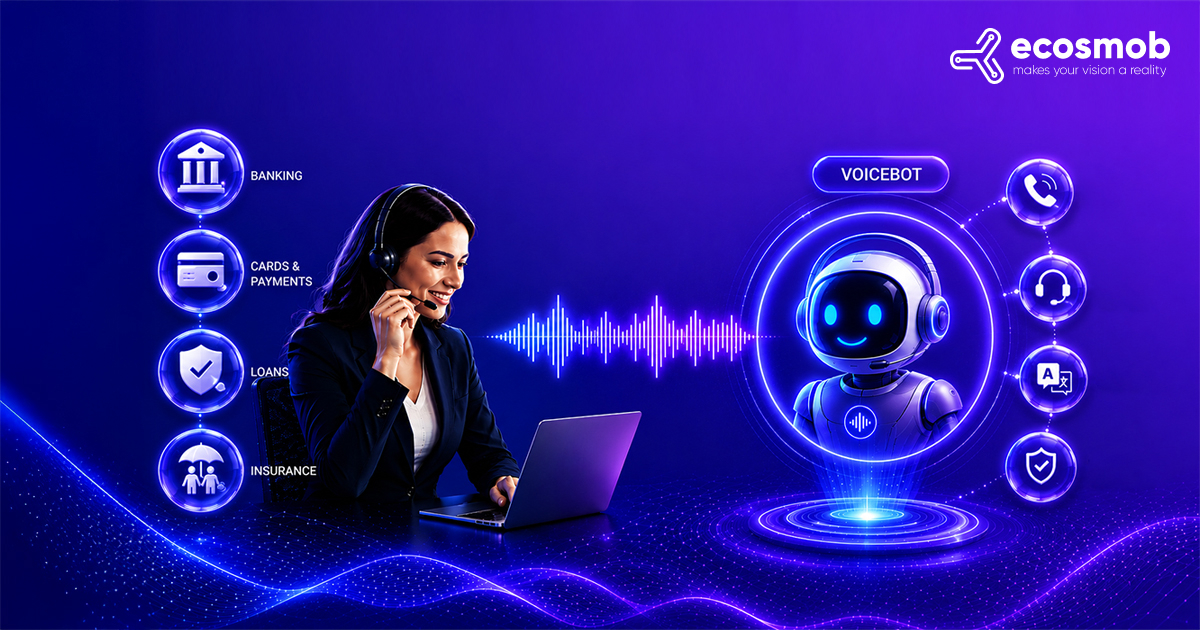
A voicebot is an AI-powered virtual assistant that interacts with users through spoken conversations. It can understand voice commands, process requests, and deliver natural responses over phone calls without requiring human intervention, making it one of the most effective voicebot solutions for intelligence customer support in banking and insurance environments.
How AI Voicebots Work in Banking and Insurance
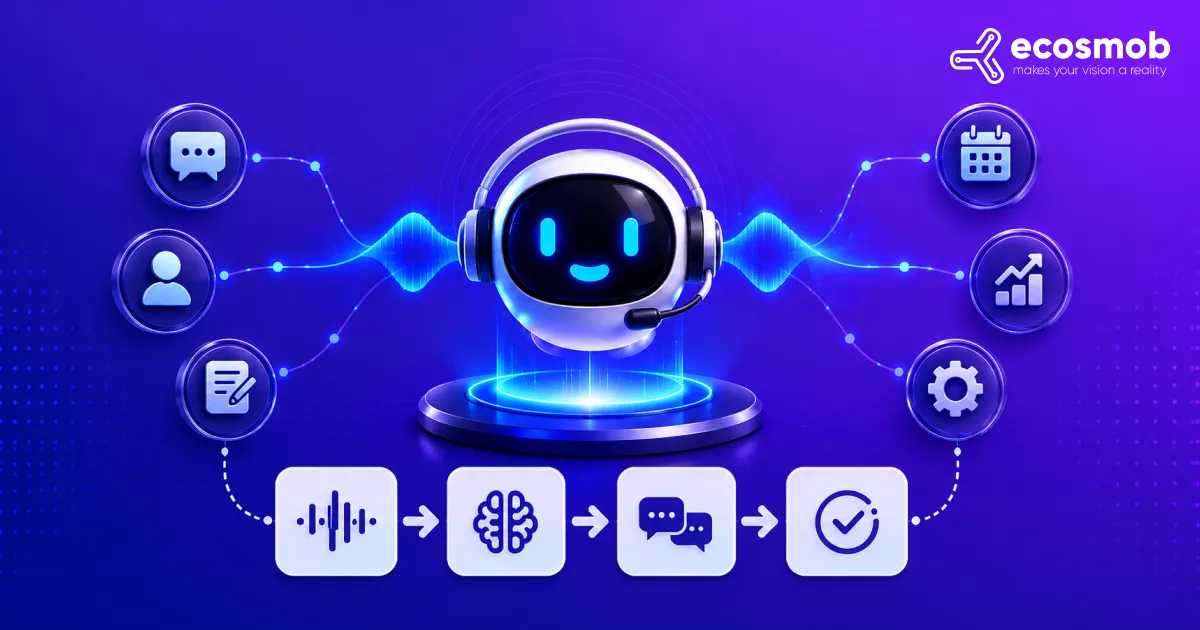
When a customer calls a bank or insurance provider, the voicebot listens to the request and converts speech into text.
It then identifies the customer’s intent and retrieves information from connected systems such as core banking platforms, CRMs, policy administration systems, or payment gateways.
The bot generates a relevant response and delivers it through a natural-sounding voice.
If the query requires human assistance, the call is transferred to an agent along with the conversation context.
Core Components of an AI Voicebot
Every customer interaction relies on a set of technologies working together behind the scenes.
- Automatic Speech Recognition (ASR) converts speech into text.
- Natural Language Understanding (NLU) identifies customer intent.
- Large Language Models (LLMs) generate contextual responses.
- Text-to-Speech (TTS) converts responses into natural voice output.
- API Integrations connect banking and insurance systems.
- Analytics Engine tracks conversations and performance metrics.
The effectiveness of a voicebot depends on how well these components work as a single system.
AI Voicebot vs Traditional IVR
| Feature | AI Voicebot | Traditional IVR |
| Interaction | Natural conversation | Menu navigation |
| Understanding | Intent-based | Option-based |
| Personalization | High | Limited |
| Query Handling | Simple | Complex |
| Languages | Multiple languages | Usually limited |
| Agent Handoff | Context transferred | Customer repeats details |
| Customer Experience | Conversational | Transactional |
A well-designed voicebot does more than answer calls. It helps banks and insurers resolve customer requests without forcing customers through endless menu trees that even many dynamic IVR solutions still struggle to eliminate.
The voice AI market is crowded with both long-standing providers and emerging innovators. So, what sets these solutions apart?
Long wait times are costing you customer trust. Ecosmob builds AI voicebots that resolve conversations faster and smarter.
How We Evaluated AI Voicebot Solutions for Banks and Insurance Companies
Not every voicebot platform is built for regulated industries. For this list, we evaluated solutions based on the requirements banks and insurance companies typically prioritize when deploying voice AI at scale.
- Banking and Insurance Use Case Support
We assessed how effectively each solution supports common BFSI use cases, including customer service automation, loan servicing, claims management, policy administration, and payment collections.
- AI and Conversational Capabilities
We evaluated each platform’s ability to understand customer intent, maintain context across conversations, and handle multi-turn interactions without relying on rigid call flows.
- Integration Capabilities
We reviewed how easily the solutions integrate with core banking platforms, policy administration systems, CRMs, payment gateways, and contact center environments.
- Compliance and Security
We considered data privacy controls, deployment flexibility, regulatory readiness, and security features that are important in highly regulated industries.
- Scalability and Deployment Options
We assessed deployment models, concurrent call handling capabilities, reliability, and the ability to support growing customer service operations.
- Customization and White-Label Support
We examined how much flexibility each platform provides for custom workflows, industry-specific requirements, branding, and white-label deployments.
The next step is understanding which AI voicebot solutions can actually deliver these outcomes in real-world banking and insurance environments.
Top AI Voicebot Solutions for Banks and Insurance Companies
Voice AI is rapidly becoming a core part of customer service strategies. Research estimates the global voicebot market will grow from USD 4.3 billion in 2024 to USD 27.3 billion by 2034, driven by increasing demand for automated customer support and AI-powered conversations.
The AI voicebot market includes everything from plug-and-play platforms to fully customized enterprise solutions. The right choice depends on your compliance requirements, integration needs, deployment preferences, and long-term automation goals. Here are some of the leading AI voicebot solutions used by banks and insurance companies today.
1. Ecosmob
 Ecosmob provides custom AI voicebot solutions designed for banks, insurers, and other enterprises with complex communication requirements. Unlike platform-first vendors, Ecosmob focuses on building tailored voice AI systems that integrate directly with existing business applications and telecom infrastructure. Its expertise in VoIP, SIP, SBCs, and contact center technologies makes it well-suited for organizations that require greater control over deployments.
Best for: Telecom solution providers that require custom AI voicebot solutions instead of a one-size-fits-all platform. It is particularly suitable for organizations that need deep integration with core business systems, white-label capabilities, and greater control over deployment environments.
Pricing: Custom pricing based on the number of use cases, integrations, deployment model, AI capabilities, and support requirements. Organizations can request a tailored quote based on their business and compliance needs.
Key Features
- Custom AI voicebot development
- Core banking and insurance system integration
- Multi-language support
- SIP and SBC integration
- Cloud, on-premises, and hybrid deployment
| Strengths | Considerations |
|
|
Generic voicebots rarely fit complex banking workflows. Get a solution tailored to your infrastructure and compliance needs.
2. Kore.ai
 Kore.ai offers an enterprise conversational AI platform with dedicated solutions for banking and financial services. The platform supports customer service automation, employee assistance, and process automation across voice and digital channels. It is commonly adopted by large enterprises looking for pre-built industry capabilities.
Best for: Large enterprises seeking a mature conversational AI platform with prebuilt banking capabilities. It is often considered by organizations that want to accelerate deployment using existing templates and workflows.
Pricing: Custom enterprise pricing. Costs typically depend on usage volumes, deployment scope, integrations, and selected platform features.
Key Features
- Conversational AI platform
- Banking-focused use cases
- Omnichannel support
- Workflow automation
- Analytics dashboard
| Strengths | Considerations |
|
|
3. Yellow.ai
 Yellow.ai provides AI-powered customer experience automation across voice and messaging channels. Its platform supports multilingual conversations and offers pre-built automation workflows for customer service operations. The solution is often considered by organizations seeking faster deployment timelines.
Best for: Organizations focused on omnichannel customer engagement and conversational automation across voice and digital channels. Suitable for businesses seeking faster implementation and broad language support.
Pricing: Custom pricing based on automation requirements, conversation volumes, channels, and integration needs.
Key Features
- Voice and chat automation
- Multilingual AI support
- Workflow builder
- CRM integrations
- Analytics and reporting
| Strengths | Considerations |
|
|
4. Amelia
 Amelia specializes in conversational AI solutions designed to automate customer interactions in regulated industries. The platform focuses on natural conversations and complex workflow automation. Financial institutions often use Amelia for customer support and service operations.
Best for: Financial institutions looking to automate customer service workflows while maintaining a conversational customer experience. It is particularly suited for enterprises handling high volumes of service requests across multiple channels.
Pricing: Custom enterprise pricing based on deployment size, integrations, automation scope, and support requirements. Pricing information is available upon request.
Key Features
- Conversational AI engine
- Workflow automation
- Agent assistance tools
- Enterprise integrations
- Customer journey analytics
| Strengths | Considerations |
|
|
5. Cognigy
 Cognigy combines conversational AI with contact center automation. The platform enables organizations to build voice and digital experiences while integrating with existing customer service environments. Its flexibility makes it popular among enterprises with diverse automation requirements.
Best for: Organizations modernizing their contact centers with conversational AI and workflow automation. It is well-suited for banks and insurers that want to combine voice AI with existing customer service operations.
Pricing: Custom pricing based on conversation volumes, deployment model, integrations, and enterprise requirements. Prospective customers need to contact Cognigy for a quote.
Key Features
- Voice AI automation
- Contact center integration
- Workflow orchestration
- Agent handoff capabilities
- Real-time analytics
| Strengths | Considerations |
|
|
6. PolyAI
 PolyAI is a voice-first conversational AI platform designed to automate customer service calls through natural, human-like conversations. The platform focuses heavily on voice interactions and is used by enterprises to manage high call volumes without relying on rigid call flows. Its solutions are commonly deployed in customer support and contact center environments.
Best for: Enterprises looking to automate inbound customer service calls while maintaining a natural conversational experience. It is particularly suitable for organizations that prioritize voice interactions over broader omnichannel automation.
Pricing: PolyAI offers custom pricing based on call volumes, deployment complexity, integrations, and support requirements. Organizations need to contact the vendor directly for a tailored quote.
Key Features
- Voice-first conversational AI
- Natural language understanding
- Multilingual support
- Contact center integration
- Automated call handling
| Strengths | Considerations |
|
|
7. Nuance
 Nuance is a long-established provider of conversational AI and speech recognition technologies. The platform is widely used across regulated industries and offers enterprise-grade voice automation capabilities. Its solutions support customer self-service, authentication, and contact center automation.
Best for: Large banks and insurance providers seeking enterprise-grade voice AI backed by decades of speech technology expertise. It is particularly relevant for organizations with complex compliance, security, and customer service requirements.
Pricing: Nuance follows a custom enterprise pricing model. Costs typically vary based on deployment scope, licensing requirements, integrations, and selected AI capabilities.
Key Features
- Advanced speech recognition
- Voice biometrics
- Conversational AI
- Contact center integrations
- Enterprise security controls
| Strengths | Considerations |
|
|
8. IBM watsonx Assistant
 IBM watsonx Assistant is a conversational AI platform that enables organizations to automate customer interactions across voice and digital channels. The platform supports workflow automation, virtual assistants, and enterprise integrations. Its ecosystem makes it attractive to organizations already invested in IBM technologies.
Best for: Banks and insurance companies are looking for a conversational AI solution that can integrate with broader enterprise technology environments. It is often considered by organizations already leveraging IBM infrastructure and services.
Pricing: Pricing depends on usage volumes, deployment preferences, AI capabilities, and support requirements. Enterprise deployments generally require a custom quote.
Key Features
- Conversational AI platform
- Voice and chat automation
- Enterprise integrations
- Workflow orchestration
- Analytics and reporting
| Strengths | Considerations |
|
|
9. Genesys Cloud AI
 Genesys Cloud AI extends the Genesys contact center platform with AI-powered automation and customer engagement capabilities. The solution helps organizations improve self-service experiences while supporting agent-assisted interactions. It is commonly used by enterprises modernizing their customer service operations.
Best for: Organizations that want to combine AI voice automation with a modern contact center platform. It is particularly suitable for banks and insurers seeking to enhance customer experiences while improving agent productivity.
Pricing: Genesys Cloud AI pricing varies by licensing tier, AI features, user requirements, and deployment scope. Additional costs may apply for advanced automation capabilities.
Key Features
- AI-powered self-service
- Contact center automation
- Agent assist capabilities
- Customer journey analytics
- Omnichannel engagement
| Strengths | Considerations |
|
|
10. Five9 Genius AI
 Five9 Genius AI combines conversational AI with contact center intelligence to automate customer interactions and support service teams. The platform focuses on improving operational efficiency through AI-powered self-service, agent assistance, and workflow automation.
Best for: Financial institutions looking to automate routine customer interactions while improving contact center performance. It is particularly valuable for organizations focused on balancing self-service automation with agent-assisted support.
Pricing: Five9 offers custom pricing based on licensing requirements, AI capabilities, deployment scale, and service needs. Interested organizations must contact the vendor for detailed pricing information.
Key Features
- Conversational AI
- Agent assistance tools
- Workflow automation
- Contact center integration
- Analytics and insights
| Strengths | Considerations |
|
|
A voicebot is only as valuable as the conversations it can successfully automate.
AI Voicebot Use Cases in Banking and Insurance
The value of voice AI in banking and insurance extends far beyond answering basic customer questions. Modern AI voicebots can automate high-volume interactions, reduce agent workloads, and provide customers with faster resolutions across the entire service journey.
Use Cases in Banking
From account enquiries to fraud alerts, voice AI helps banks handle high-volume requests efficiently.
- Account Enquiries
Customers frequently contact banks to check account balances, recent transactions, credit limits, or account status. AI voice agents for banking can authenticate users and provide this information instantly without requiring agent intervention.
- Loan Servicing
Voicebots can assist customers throughout the loan lifecycle. They can provide loan balances, EMI details, repayment schedules, eligibility information, and application status updates through natural conversations.
- Payment Reminders
Banks can use voice AI in banking to automate payment reminders for loans, credit cards, and other financial obligations. Automated outbound calls help improve collection efficiency while reducing manual follow-ups.
- Fraud Notifications
AI voicebots can proactively notify customers about suspicious account activity and potential synthetic voice attacks, guiding them through verification steps and recommended actions. This enables faster response times while helping financial institutions strengthen fraud prevention efforts.
Use Cases in Insurance Companies
Voice AI supports faster policy servicing across the insurance customer journey.
- First Notice of Loss (FNOL)
The claims process often begins with the first notice of loss. Voice AI for insurance can collect incident details, verify policy information, and initiate claims workflows without requiring customers to wait for an agent.
- Claims Status Updates
A significant portion of insurance support calls involves claim status enquiries. AI in insurance customer service helps policyholders receive real-time updates while reducing pressure on support teams.
- Policy Renewals
Voicebots can remind customers about upcoming renewals, explain policy terms, answer common questions, and guide policyholders through the renewal process. This helps improve retention while simplifying customer interactions.
- Premium Collections
Insurance providers can automate premium payment reminders through outbound voice campaigns. Voicebots can notify customers about due payments, share payment options, and support payment collection workflows.
Whether it is handling routine account enquiries or managing critical claims interactions, AI voicebots help banks and insurers automate conversations that traditionally consume significant agent time.
The next step is understanding which capabilities separate an average voicebot from a solution that can perform reliably in a regulated banking or insurance environment.
How to Choose the Right AI Voicebot Solution for Banks and Insurance Companies
The right AI voicebot solution aligns with your business goals, compliance requirements, existing systems, and future growth plans. A platform that performs well in demos may not always fit real-world banking or insurance operations.
- Business Requirements – Choose a solution that supports the customer interactions you want to automate today and expand tomorrow.
- Compliance Needs – Ensure the platform meets your data privacy, security, and regulatory requirements across all operating regions, including compliance standards such as HIPAA, GDPR, and other industry-specific regulations.
- Integration Requirements – Look for seamless integration with core banking systems, policy administration platforms, CRMs, and contact centers.
- Scalability Requirements – The solution should handle growing call volumes, new use cases, and multiple languages without major redevelopment.
The best AI voicebot is rarely the one with the most features. It is the one that fits your operational reality.
The next decision is whether to buy an existing platform, build a custom solution, or launch under your own brand.
Customers expect conversations, not menu trees. Replace rigid IVRs with intelligent voice experiences.
Should You Buy, Build, or White Label an AI Voicebot for Banking and Insurance?
The best approach depends on your timeline, customization needs, and compliance requirements. Buying works for faster deployment, white-labeling balances speed and flexibility, while custom development offers maximum control.
- Off-the-Shelf Platforms
Pre-built AI voicebot platforms help organizations launch quickly with ready-made features and workflows. However, customization and deployment flexibility may be limited.
- White-Label Solutions
White-label voicebots allow organizations to launch under their own brand while reducing development effort. They offer more flexibility than off-the-shelf platforms without the cost of building from scratch.
- Custom Development
Custom AI voicebot development provides complete control over integrations, workflows, compliance controls, and deployment environments. It is often preferred by banks and insurers with specialized operational requirements.
Which option is right for you?
| Option | Best for | Trade-off |
| Buy | Fast deployment | Less flexibility |
| White Label | Branding + faster launch | Moderate customization |
| Build | Full control | Higher investment |
The right decision is rarely about features alone. It is about choosing the model that aligns with your business, compliance, and growth strategy.
Before making a final decision, it is important to understand which technical capabilities separate a basic voicebot from an enterprise-ready solution.
What Features Should You Look for in an AI Voicebot Solution?
The most important AI voicebot features include accurate speech recognition, fast response times, support for multilingual IVR experiences, seamless agent escalation, and actionable analytics. These capabilities directly impact customer experience and operational efficiency.
- Speech Recognition Accuracy
A voicebot should accurately understand customer requests across different accents, speaking styles, and background conditions. Poor recognition can quickly lead to customer frustration.
- Real-Time Responses
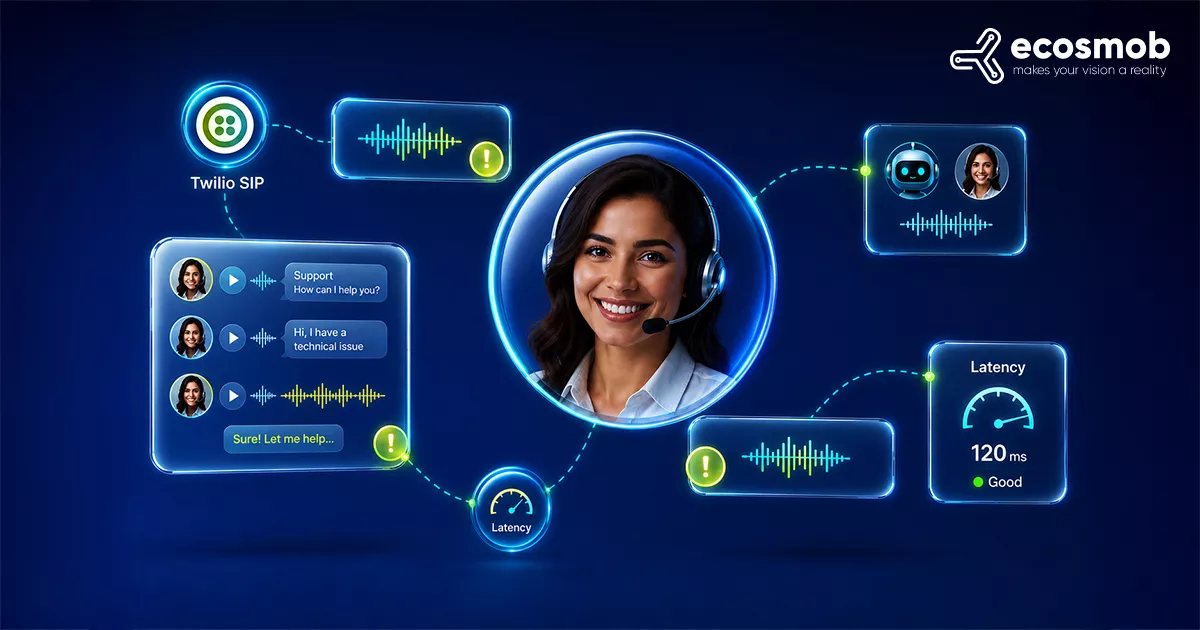
Customers expect immediate answers during a phone conversation. Low-latency responses help create a natural interaction and reduce call abandonment rates.
- Multilingual Support
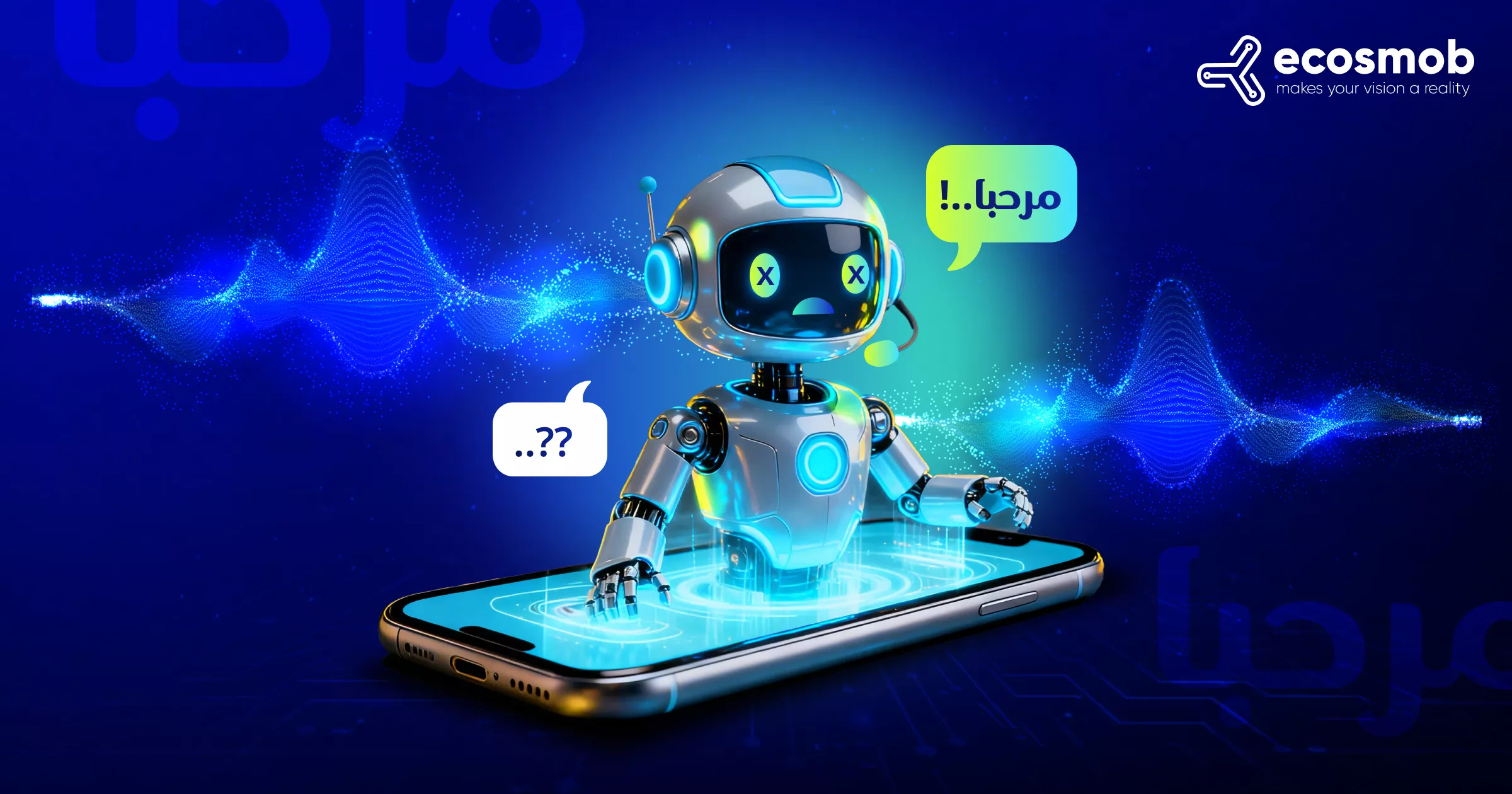
Banks and insurers often serve diverse customer bases. Strong multilingual capabilities help deliver consistent service across languages and regions.
- Agent Escalation
Not every interaction can be resolved by AI. The voicebot should transfer calls to agents smoothly while preserving conversation context.
- Analytics and Reporting
Detailed reporting helps organizations understand customer behavior, track automation performance, and identify opportunities for improvement.
The best AI voicebot solutions combine automation with experiences that feel natural, responsive, and reliable.
The next consideration is ensuring those capabilities meet the compliance and security requirements of regulated industries.
What Compliance and Security Requirements Should You Consider for Banking and Insurance Voicebots?
Banking and insurance voicebots must comply with regional regulations, data privacy laws, call recording requirements, and security standards. Compliance should be evaluated alongside functionality because regulatory risks can outweigh operational benefits.
- Regional Compliance Overview
Different regions have different requirements for customer data, consent management, and AI-driven interactions. The voicebot solution should support the regulations applicable to your operating markets.
- Data Residency
Many financial institutions must store customer data within specific geographic regions. Verify where voice recordings, transcripts, and AI processing data are stored.
- Call Recording Policies
Call recording rules vary across countries and industries. The platform should support consent management, retention policies, and recording controls, including integration with a SIPREC controller to manage compliant call recording and recording policies across enterprise environments.
- Security Controls
Look for capabilities such as encryption, access controls, authentication, audit trails, and secure API integrations. These controls help protect sensitive customer information.
| Compliance Area | What to Check | Why it Matters |
| Regional Regulations | GDPR, PCI, DSS, local laws | Avoid compliance risks |
| Data Residency | Storage location | Meet regulatory requirements |
| Call Recording | Consent and retention | Support legal obligations |
| Security Controls | Encryption and access management | Protect customer data |
A voicebot that meets business goals but fails compliance requirements can create more risk than value.
Once compliance is addressed, the final step is understanding the costs and deployment considerations behind AI voicebot adoption.
At this point, the shortlist should be clearer. Let’s wrap up.
The Bottom Line?
The best AI voicebot solution is not necessarily the most popular one. It is the one that fits your business goals, compliance requirements, integrations, and growth plans.
Many platforms promise similar outcomes. The difference often comes down to deployment flexibility, infrastructure readiness, and the ability to support real-world banking and insurance workflows.
If you jumped straight to this section, the vendor list and evaluation framework are worth revisiting before making a decision.
At Ecosmob, we build AI voicebot solutions around your business, infrastructure, and compliance needs.