













QUICK SUMMARY
Selling a multi-tenant VoIP platform is highly profitable. Operating one at scale is an engineering nightmare.
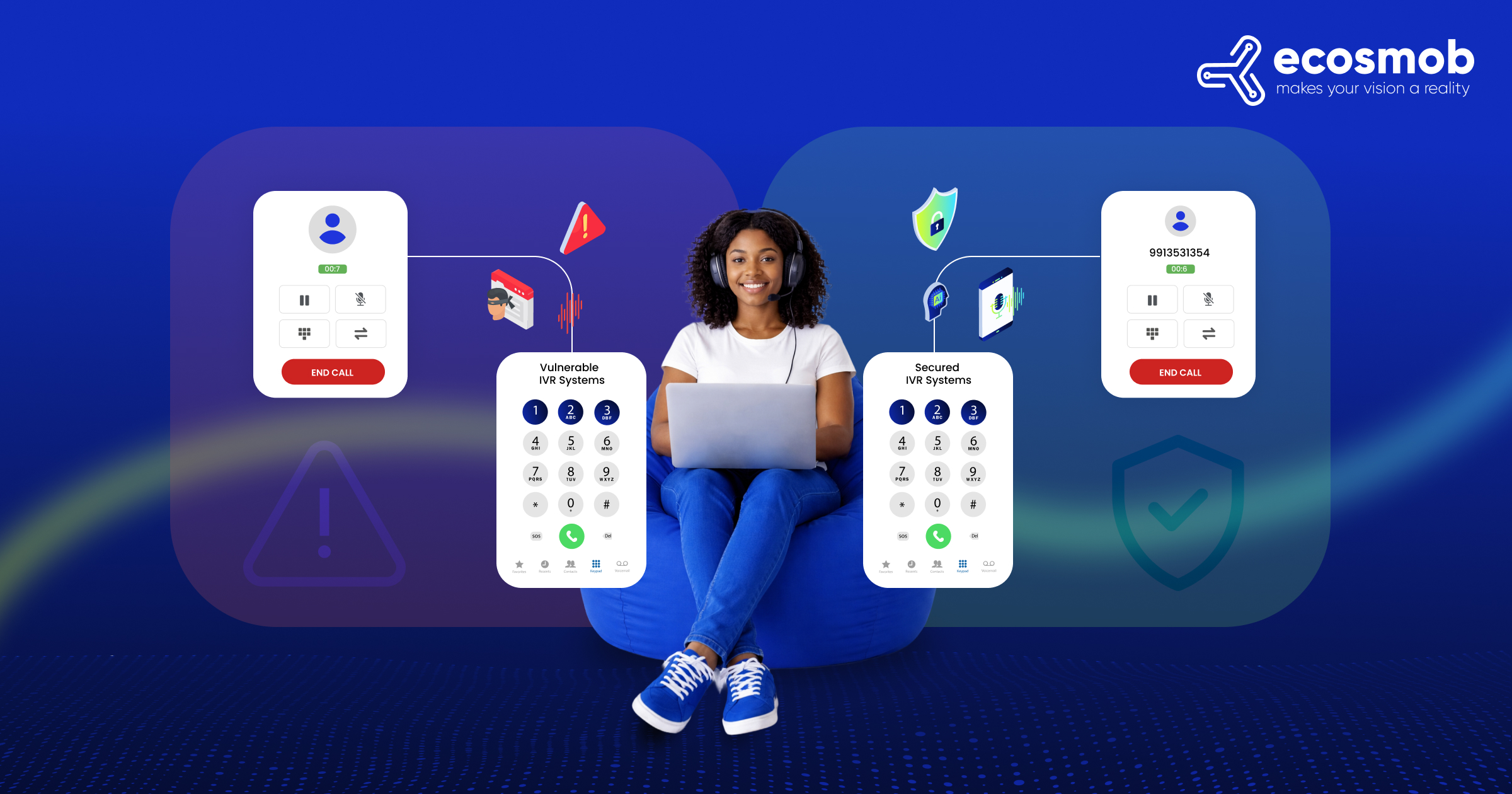
When you push past a specific number of tenants on a shared core, you hit physical bottlenecks: one tenant’s traffic spike degrades audio for everyone else, SBC routing tables explode, and billing scripts lock up your SIP registrations.
Scaling requires moving away from massive shared monoliths and architecting strict tenant isolation boundaries.
Let’s set the scene. You just closed your dream enterprise client. The sales team is celebrating. Two days later, your NOC (Network Operations Center) is flashing red, support tickets are piling up with choppy audio complaints, and your lead engineer is frantically rebooting media servers at 2:00 AM.
What happened?
You hit the multi-tenant scaling wall.
When you build a multi-tenant IP PBX, the initial architecture usually involves logically partitioning a single massive FreeSWITCH or Asterisk instance. It works beautifully for the first 50 tenants. But as you scale, the shared nature of the infrastructure becomes your biggest liability.
You aren’t just battling CPU limits; you are battling configuration drift, CDR database locks, and the dreaded cross-tenant blast radius. If you are tasked with VoIP platform scaling, here is exactly where your infrastructure is going to break, and how to architect your way out of it.
Where Multi-Tenant VoIP Actually Breaks at Scale
When a shared platform fails, it rarely dies all at once. It degrades in highly specific, frustrating ways.
1. The “Noisy Neighbor” RTP Trap
In a multi-tenant environment, you share the network interface and the CPU thread pool across dozens of companies. If Tenant A (a massive outbound call center) suddenly dumps 5,000 concurrent SIP INVITEs into the network to launch an automated dialing campaign, your server’s context switching maxes out.
The immediate victim is Tenant B (a quiet law firm). Because the media server is choked trying to process Tenant A’s massive signaling spike, Tenant B’s active RTP packets sit in the jitter buffer just a few milliseconds too long. Tenant B experiences severe robotic audio, even though they are only making five concurrent calls.
2. SBC Routing Rule Explosion
Your Session Border Controller (SBC) is the front door to your network. In a multi-tenant architecture VoIP setup, your SBC (like Kamailio or OpenSIPS) has to inspect every packet and figure out which tenant it belongs to.
At 10 tenants, this is a simple database dip.
At 500 tenants, your routing block becomes an unmanageable labyrinth of regular expressions (Regex) mapping IP addresses, domain names, and custom SIP headers.
Evaluating thousands of complex Regex rules on every single inbound REGISTER ping will eventually peg your SBC’s CPU at 100%, causing wholesale network drops.
3. CDR Pipeline and Database Locking
Every call generates a Call Detail Record (CDR). In early platforms, the PBX writes these directly to a relational database (MySQL / PostgreSQL). As your tenant count grows, your billing scripts have to run complex queries to rate those calls.
If a heavy billing script runs and temporarily locks the CDR table, your PBX threads back up waiting to write their call logs. If the PBX threads back up, it stops processing new SIP registrations. A backend billing query literally takes your voice network offline.
The Multi-Tenant VoIP Failure Matrix
| The Bottleneck | The Trigger | The Operational Impact |
| Media Threading | Tenant A launches a massive dialer campaign. | Tenant B experiences severe RTP jitter and dropped audio. |
| SBC Routing | 500+ tenants with custom domain/Regex routing rules. | Kamailio CPU spikes; legitimate SIP REGISTER pings timeout. |
| Database I/O | Legacy CDR batch-writing and billing cron jobs. | Database locks up; core PBX stops processing new calls entirely. |
The Multi-Tenant AI Compute Trap
Every VoIP platform is currently rushing to offer “AI Call Summaries” or “Live Transcription” to its tenants.
Here is the operational reality: you cannot run these AI models on your shared media servers.
If Tenant A activates real-time call transcription for a 100-seat call center, the Digital Signal Processing (DSP) required will instantly peg your shared server’s CPU to 100%. Tenant B will start dropping calls immediately.
The Fix? AI workloads must be pushed to a completely separate AI media gateway or GPU cluster.
Strip the audio from the core media server, send it out via WebSockets, and keep your core VoIP infrastructure strictly reserved for SIP and RTP routing.
Is cross-tenant traffic killing your call quality?
The Configuration Drift in Multi-Tenant IP PBX
Beyond raw network traffic, the biggest operational cost spiral in a multi-tenant VoIP platform is configuration management.
When you land a massive enterprise client, they always want a “custom” feature (a specific SIP header manipulation, a unique codec policy, or a custom call recording retention rule). To close the deal, your engineers hardcode an exception for them in the core dialplan.
Fast forward two years. You have 300 tenants, and 40 of them have hardcoded “exceptions” buried in your infrastructure. When you try to upgrade the core platform, those exceptions break. Your QA team now has to test 40 different custom environments before every minor patch.
This configuration drift paralyzes your engineering velocity and makes the platform mathematically impossible to maintain.
The fundamental flaw of a shared architecture is that failures do not stay isolated.
If you hardcode a bad dialplan exception for Tenant A, and it causes a routing loop, it consumes the shared server’s CPU. That delay cascades to the shared SBC, which then drops registration packets for Tenants B, C, and D.
In a monolith, one tenant’s bad configuration or traffic spike becomes an outage for everyone on the hardware.
Need to isolate your VoIP tenants without rebuilding?
Architecture to Fix Multi-Tenant VoIP Scaling Challenges
You cannot solve these cascading failures by simply buying bigger AWS instances. You have to change how the platform isolates workloads. Here are the core architectural fixes required to scale to your goals.
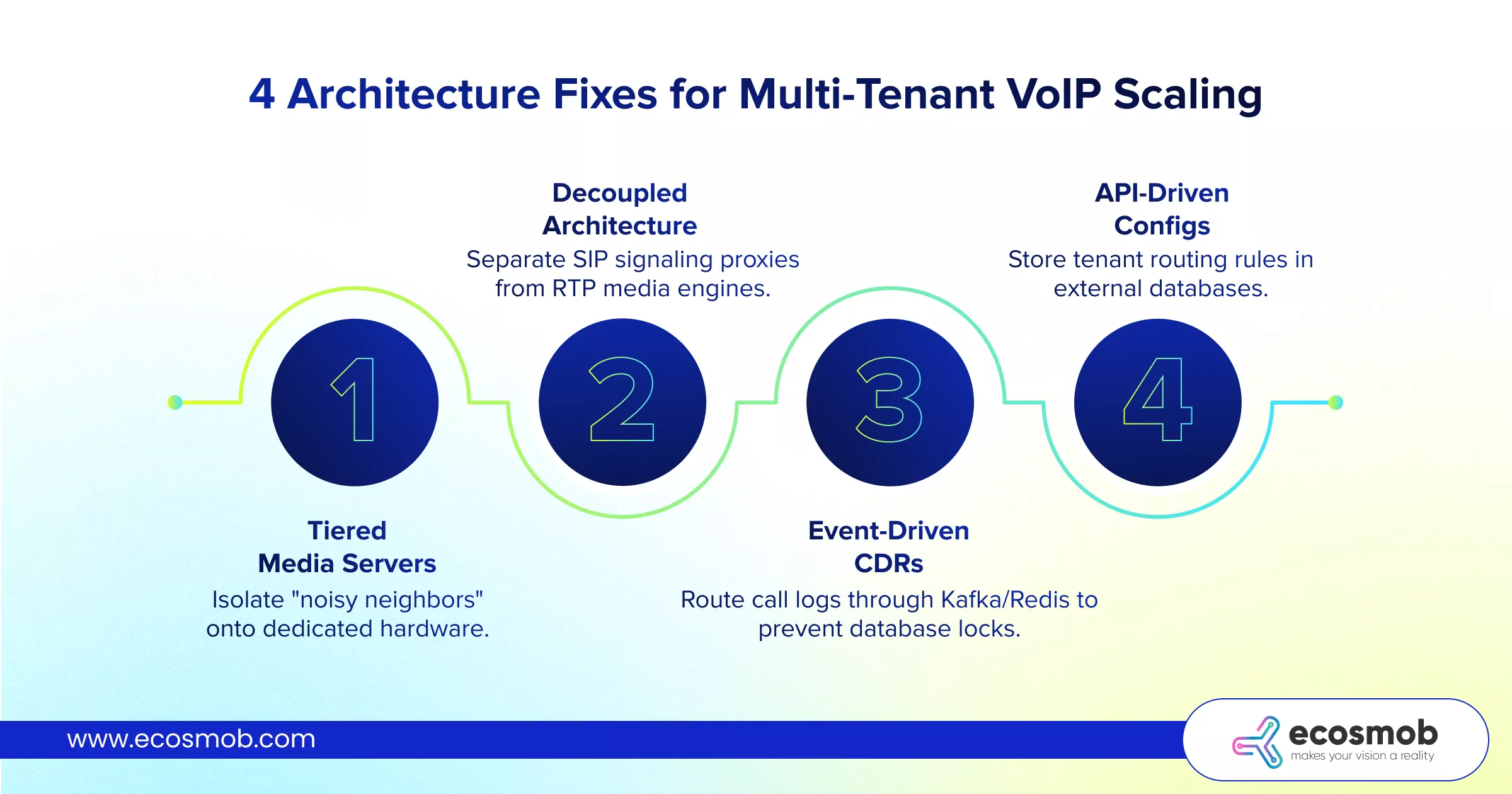
4 Architecture Fixes for Multi-Tenant VoIP Scaling
1. Tiered Media Servers
Isolate “noisy neighbors” onto dedicated hardware.
2. Decoupled Architecture
Separate SIP signaling proxies from RTP media engines.
3. Event-Driven CDRs
Route call logs through Kafka/Redis to prevent database locks.
4. API-Driven Configs
Store tenant routing rules in external databases.
1. Decouple Signaling, Media, and State
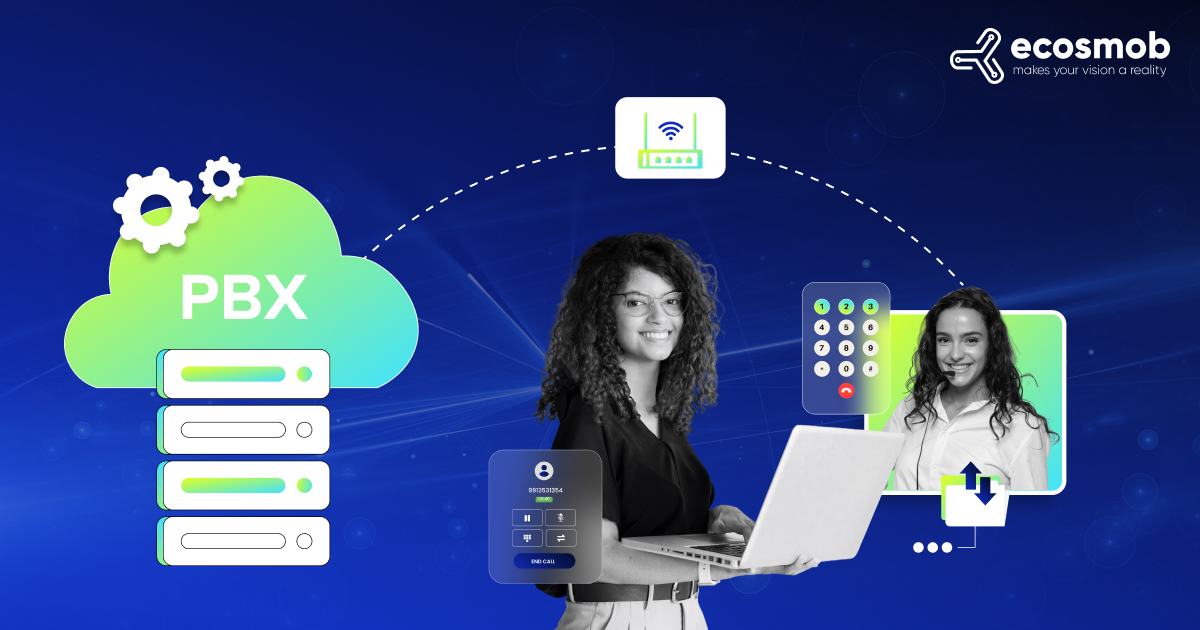
This is the golden rule of VoIP platform scaling. Your Kamailio/OpenSIPS proxies should handle nothing but SIP signaling. Your FreeSWITCH/Asterisk nodes should handle nothing but RTP media. Your Redis cluster handles all active state and registration data. If media transcoding spikes the CPU on a FreeSWITCH node, the Kamailio node remains perfectly healthy and can route new calls to a backup media node.
2. Tiered Media Edges (Isolating the Noisy Neighbors)
Stop putting call centers and law firms on the same media servers and architect a tiered routing logic at your SBC layer.
Tag high-volume or high-risk tenants in your database and instruct your SBC to route their RTP traffic to a dedicated, isolated pool of media servers. If the call center spikes its traffic, it only degrades its own dedicated media pool.
The low-volume enterprise tenants remain safely on a separate, pristine hardware cluster.
3. API-Driven Configurations (Stopping Configuration Drift)
To stop configuration drift, you must strictly forbid engineers from writing custom dialplan files for specific tenants. Instead, transition to an API-driven dynamic routing model (using modules like mod_curl in FreeSWITCH or Realtime database architecture in Asterisk).
The PBX makes an HTTP request to a central database to fetch the exact routing rules and codec policies for that specific tenant in real-time. This centralizes your configuration, making platform-wide upgrades completely safe.
4. Event-Driven CDR Pipelines
Never let your core PBX talk directly to a relational database. Modernize your pipeline by having your PBX dump CDRs into an in-memory stream like Redis or Apache Kafka.
This takes microseconds and never blocks the PBX thread. A separate, asynchronous microservice then consumes those Kafka events, processes the billing logic, and writes to the permanent database safely offline.
Ecosmob Expert Tip
A “Cell” is a completely self-contained deployment (e.g., 2 SBCs, 4 Media Servers, 1 Database cluster) designed to hold a specific, fixed capacity (let’s say 500 tenants). When Tenant 501 signs up, you don’t stretch the existing infrastructure; you spin up Cell #2 via Terraform.
This permanently caps your risk. If a database gets corrupted, you only ever impact the 500 tenants isolated in that specific cell.
The appeal of a multi-tenant IP PBX is the cost efficiency of shared resources. But past a certain scale, the operational cost of managing cross-tenant failures and configuration drift vastly outweighs the savings of sharing a server.
Scaling successfully means finding the exact balance between resource efficiency and strict tenant isolation. By implementing cell-based architectures, decoupling your CDR pipelines, transitioning to dynamic API routing, and tiering your media edges, you can onboard your next 1,000 tenants without your NOC desk catching fire.
Ready to modernize your multi-tenant core without disrupting active clients? Consult our platform architects today!
FAQs
Where do multi-tenant VoIP platforms actually break at scale?
They break at the shared resource chokepoints. Specifically, complex regex parsing at the SBC layer overloads the CPU during registration storms, shared media servers drop RTP packets when a single tenant spikes traffic, and direct database writes for CDRs lock up the core SIP threads.
It occurs when one high-volume tenant (like an outbound dialer) consumes the majority of a shared server's CPU or network interface capacity. Because real-time media is extremely sensitive to latency, the server's context-switching delay causes packet loss and jitter for all other low-volume tenants on that same hardware.
How does tenant config complexity create operational risk as platforms scale?
When platforms accommodate custom routing rules, header manipulations, or codec policies for individual tenants, the core dialplan splinters. This configuration drift means every platform upgrade risks breaking a custom tenant's workflow, paralyzing the engineering team's ability to deploy rapid, platform-wide updates.
What architecture fixes multi-tenant VoIP scaling without rebuilding the platform?
You don't have to rebuild everything; you can implement Tiered Media Routing and API-driven configurations. Keep your core signaling intact, but deploy separate, isolated media server clusters for high-volume tenants, and move tenant-specific routing rules out of static files and into a centralized, dynamically queried database.
How many tenants can a well-architected VoIP platform support?
A well-architected, cell-based VoIP platform can theoretically scale infinitely by deploying new infrastructure pods. Practically, however, a single localized media and signaling cluster should be capped at around 10,000 concurrent endpoints. Pushing past that on a single logical cell creates an unacceptable risk of mass outages if a core switch fails.