












QUICK SUMMARY
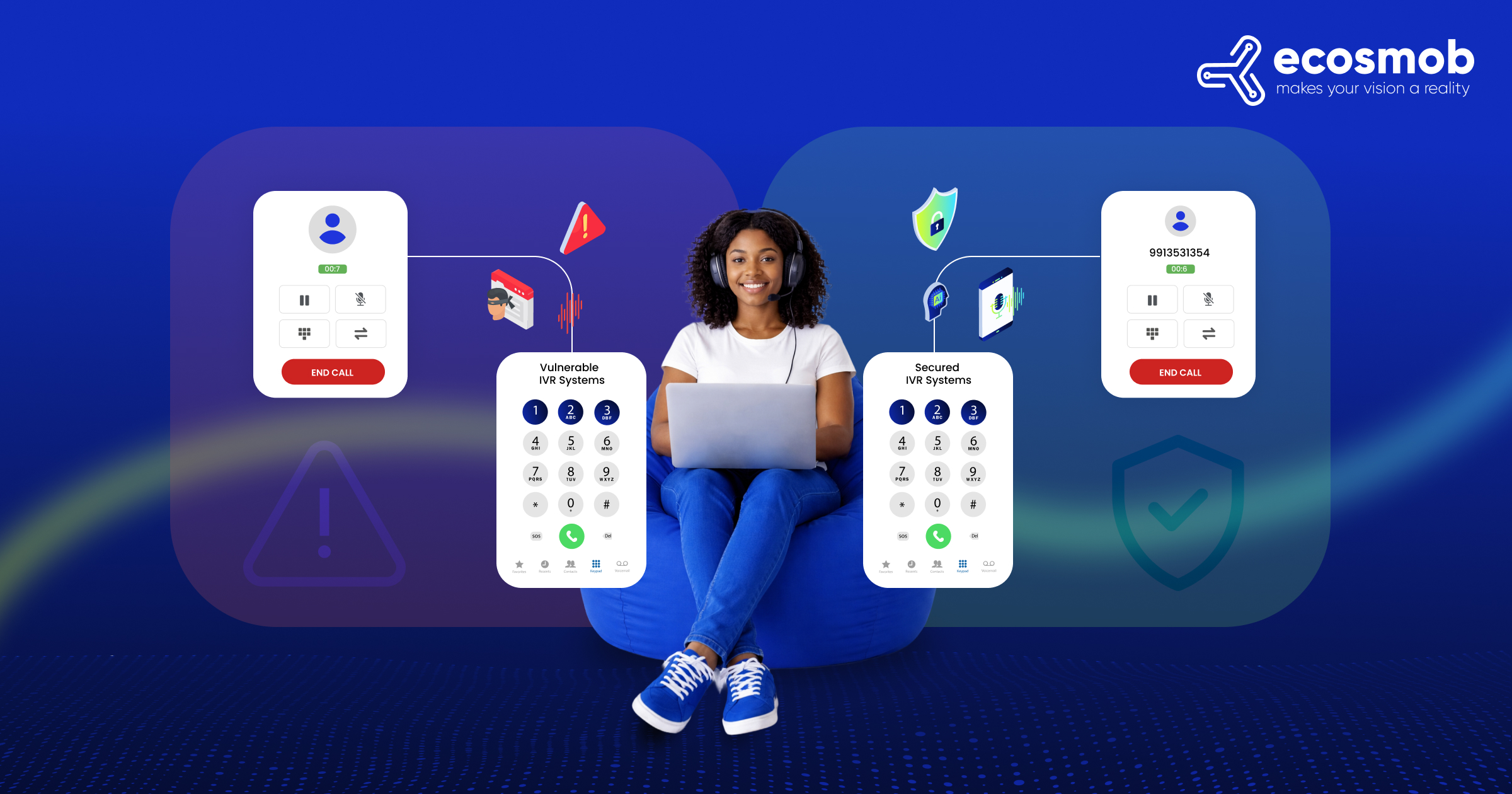
This blog guides you through the key threats to PBX systems, provides actionable best practices, and highlights the real-world benefits of strengthening your phone infrastructure. It also highlights common challenges and provides expert guidance on building a resilient and secure PBX environment.
“The more connected we are, the more vulnerable we become, but also, the more opportunities we have to protect what matters.”
— Anonymous
In today’s hyperconnected communication landscape, your phone system is no longer just a means of internal communication; it’s the gateway to your business operations. And just like any digital asset, it’s under threat. PBX (Private Branch Exchange) systems are a prime target for hackers due to the sensitive data they handle and the direct connection to your business network.
With VoIP-based PBX solutions becoming the norm, ensuring PBX security is not just a recommendation, it’s a necessity.
The global PBX market was estimated to grow from USD 44.26 billion in 2025 to USD 124.54 billion by 2035, reflecting a strong CAGR of 10.9%. and continues to expand with cloud and hybrid solutions, leading the way. But with this growth comes increased risk. PBX hacking detection is on the rise as attackers exploit weak firewalls, outdated software, and unsecured endpoints to gain access.
Businesses are now asking: “How can you secure PBX and VoIP systems?”
This blog explores actionable PBX security best practices, common threats, the benefits of being proactive, and the real-world challenges businesses encounter in securing their PBX infrastructure and software solutions.
What is PBX?
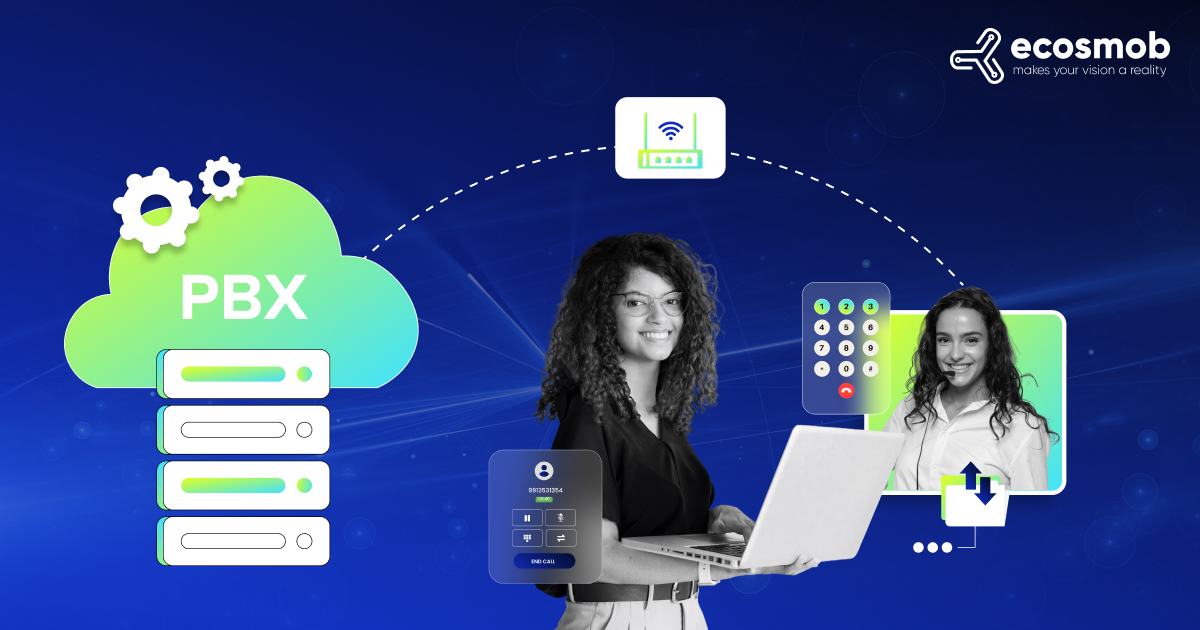
PBX, or Private Branch Exchange, is a private telephone network used within an organization. Users of a PBX system can communicate internally (within their company) and externally (with the outside world) using various communication channels, such as VoIP, ISDN, or analog.
Modern PBX systems, especially IP PBX systems, offer much more than just simple voice communication. Features such as voicemail, call routing, conferencing, and automated attendants make PBX systems an integral part of daily business operations. However, with advanced features come advanced vulnerabilities. Whether it’s Asterisk PBX security or proprietary solutions, all setups need robust protections.
Today, businesses are rapidly adopting cloud PBX, but this also raises concerns, such as “Is using the cloud for PBX secure?”
The short answer is that it can be, if you implement the right security protocols.
Facing issues with PBX firewall security? We’re here to help.
7 Common Threats to PBX Security
PBX systems might be the unsung heroes of business communications, but they’re also one of the easiest backdoors for attackers, especially when left unguarded. As more businesses shift to IP PBX and cloud-based solutions, the attack surface increases, often without them realizing it. Let’s break down the most serious threats lurking around unprotected PBX setups.
🔒Toll Fraud & Call Hijacking
Toll fraud is one of the most financially damaging attacks. Hackers infiltrate the PBX and place thousands of long-distance or premium-rate calls, especially during off-hours when no one’s watching. Without proper PBX hacking detection, these activities go unnoticed until a massive bill arrives.
🔒Voicemail Hacking
Many PBX users ignore voicemail security. Default PINs, outdated mailboxes, and weak password policies give hackers an easy point of entry. From there, attackers can escalate privileges or gather sensitive business information.
🔒Unauthorized Access and Credential Theft
Admin panels and user accounts are hot targets. Without multi-factor authentication and complex passwords, it’s simple for attackers to gain access and manipulate the PBX infrastructure. Once inside, they can reroute calls, harvest data, or disrupt service.
🔒Denial of Service (DoS) Attacks
A flood of fake traffic targeting the SIP ports or media servers can bring down your phone system. This type of attack disables call handling and voicemail functions, causing communication blackouts and an operational nightmare.
🔒Call Interception (Eavesdropping)
If your VoIP traffic is not encrypted, attackers can intercept and record conversations between endpoints. It’s not just about snooping; intercepted calls can lead to trade secret leaks or client data breaches, particularly in sectors such as finance and healthcare.
🔒PBX Firewall Security Misconfiguration
Not all firewalls are built to handle VoIP. A poorly configured PBX firewall security setup may allow open SIP ports, which are vulnerable to scans and brute-force login attempts. The lack of granular rules and anomaly filters increases the risk.
🔒Cloud-Specific Threats
Moving your PBX to the cloud? You’re not off the hook. Using the cloud for PBX is secure if you use dedicated cloud firewalls, access controls, and traffic encryption. Without these, your hosted PBX is exposed to internet-wide threats.
The bottom line: these aren’t rare scenarios, they’re common. Failing to address these IP PBX security issues can result in system downtime, legal troubles, and erosion of trust.
What are the 10 PBX Security Best Practices?
Let’s talk action. If you’re wondering how to secure PBX and VoIP systems, the answer lies in a layered defense strategy. Below are the PBX security best practices that every organization, regardless of size, should implement to build a secure PBX.
✅Use Strong Passwords and Authentication Protocols
First things first, ditch default passwords. Implement complex, randomly generated credentials for all users, including voicemail boxes. For sensitive roles, enable two-factor authentication (2FA) to block brute-force attacks.
✅Regularly Patch and Update Everything
Whether you’re using a proprietary system or open-source like Asterisk PBX, outdated software is your worst enemy. Regular firmware updates, security patches, and OS upgrades help shut down vulnerabilities before they’re exploited.
✅Deploy VoIP Aware Firewalls
This is crucial. Standard firewalls don’t understand SIP. Use advanced PBX firewall security tools that can parse VoIP traffic and block suspicious packets. Configure rules to allow only trusted IPs and known ports.
✅Set Role-Based Access Controls (RBAC)
Not every user needs access to every feature. Admin rights should be reserved for trusted IT staff. Use RBAC to restrict access and monitor privilege escalation attempts.
✅Monitor System Activity in Real-Time
Use PBX hacking detection software to identify anomalies like massive call volumes, login attempts from unknown IPs, or SIP scanning activity. Alerts can help stop breaches before they do real damage.
✅Encrypt SIP and RTP Streams
Always enable TLS for signaling and SRTP for voice traffic. This prevents eavesdropping and ensures the confidentiality of your conversations.
✅Restrict Outbound Calling Rules
Limit outbound calls to only necessary countries or numbers. Set caps on call durations and block suspicious destinations. This is a great toll-fraud defense.
✅Use VLANs and Network Segmentation
Isolate your PBX servers from your main business network. If your PBX is compromised, this segmentation helps contain the breach.
✅Remove Unused Services and Ports
Disable web GUIs, FTP, or SSH ports that aren’t in use. Every open port is a potential door for attackers. Keep your attack surface minimal.
✅Invest in PBX Infrastructure Security Software Solutions
Automated tools can help with monitoring, threat prevention, and compliance audits. These systems are tailored to understand the nuances of VoIP traffic and SIP behavior.
When combined, these practices not only protect your phone system but also ensure long-term operational resilience.
What are the Benefits of Ensuring PBX Security?
Securing your PBX is more than just shielding your phone system; it’s a strategic move for the business. Here are the most impactful benefits of implementing robust PBX security best practices:
📌Avoid Expensive Billing Surprises
Toll fraud can drain your communication budget overnight. With secure PBX measures like call caps and monitoring, you can avoid surprise bills and call misuse.
📌Protect Sensitive Communications
Your business talks strategy, finance, HR, and more over calls. Without PBX security, all that data is vulnerable. Encryption and secure access preserve privacy.
📌Boost Operational Uptime
DoS attacks or brute-force intrusions can take your system offline. A secure PBX ensures smooth call handling and continuity of communication, even in the face of an attack.
📌Strengthen Compliance Posture
Sectors like healthcare and finance have strict data protection laws. Proper PBX infrastructure security software solutions help you comply with standards like HIPAA, PCI-DSS, and GDPR.
📌Build Customer Trust
Your customers and partners expect professionalism and security. By showcasing robust PBX security, you earn their trust and confidence.
📌Be Proactive, Not Reactive
Having PBX hacking detection tools in place means threats are caught early, before they turn into breaches or PR disasters.
📌Get Peace of Mind When Using Cloud PBX
Still wondering, “Is using the cloud for PBX secure?” It is, if you follow best practices like access controls, VPNs, and segmented cloud architecture.
By resolving IP PBX security issues proactively, you make your communication system a true asset, not a liability.
Curious how Ecosmob can make your PBX setup safer?
What Are the Challenges Faced While Ensuring PBX Security?
Even with the best intentions, securing a PBX system is easier said than done. Businesses often hit several roadblocks that prevent full implementation of PBX security best practices. Here are some of the major hurdles:
☛ Lack of VoIP Security Expertise
Managing a secure PBX system requires in-depth knowledge of SIP, RTP, firewalls, and other related technologies. For teams unfamiliar with Asterisk PBX security or custom SIP setups, mistakes can easily go unnoticed.
☛ Budget Constraints
Security tools, dedicated firewalls, and PBX infrastructure security software solutions are costly. Smaller companies often delay investment until after a breach occurs.
☛ Configuration Complexity
Each PBX setup is unique, cloud, hybrid, or on-premise. Setting proper rules, NAT configurations, encryption protocols, and user permissions takes time and precision.
☛ Insufficient Monitoring
Many businesses skip PBX hacking detection tools or lack real-time logging systems. As a result, breaches may remain undetected for days or weeks.
☛ Unclear Cloud Responsibilities
When using a hosted PBX, many businesses assume the provider handles security. That’s not always true. So, when you ask “Is using the cloud for PBX secure?”, the answer depends on what you implement in your cloud environment.
☛ End-User Vulnerabilities
A system is only as strong as its weakest user. Employees who fall for phishing scams, reuse passwords, or use public Wi-Fi without VPNs can compromise even the most secure PBX setup.
These challenges make it clear that knowing how to secure PBX systems is only half the battle, the real test is consistent implementation and monitoring
Even choosing between on-prem and cloud solutions brings a dilemma of security.
With proper protocols, yes, but implementation matters.
Think your cloud PBX is protected? Let us show you what you're missing.
Wrapping Up
Securing your PBX is no longer optional; it’s a strategic necessity. Whether you operate on Asterisk, SIP, or hybrid systems, implementing PBX security best practices ensures long-term reliability, compliance, and customer trust.
Key Takeaways
- PBX systems are vital and vulnerable. Securing them is essential for modern business continuity.
- Utilize layered security, including firewalls, encryption, monitoring, and strong passwords.
- Address IP PBX security issues proactively to avoid operational and financial disasters.
How Ecosmob Can Help!
Looking to take your PBX infrastructure security software solutions to the next level?
Ecosmob offers end-to-end solutions designed for PBX hacking detection, firewall setup, encryption, and more. Whether you’re working with cloud, hybrid, or on-prem systems, we know how to secure PBX and VoIP systems efficiently. Our experts specialize in Asterisk PBX security, ensuring your secure PBX setup runs flawlessly, today and tomorrow.
FAQs
What is a PBX system and how does it work?
A PBX (Private Branch Exchange) is a private telephone network used within a company to manage internal and external calls. It connects users via VoIP, analog, or digital lines, enabling call routing, voicemail, IVR, conferencing, and more.
Why is PBX security important for businesses?
PBX systems handle sensitive communications and can be targeted for toll fraud, call interception, and denial-of-service attacks. Without proper PBX security, businesses risk data breaches, financial loss, and service disruptions.
What are the most common PBX security threats?
Some common threats include toll fraud, voicemail hacking, SIP brute-force attacks, DoS attacks, and unauthorized access due to weak authentication or misconfigured firewalls.
How can I effectively secure my IP PBX system?
Use strong passwords, enable encryption (TLS/SRTP), deploy VoIP-specific PBX firewall security, monitor call activity, and regularly update your PBX software. Investing in PBX infrastructure security software solutions also helps.
Is using the cloud for PBX secure?
Yes, but only if configured properly. Ensure cloud PBX is protected with secure access controls, data encryption, and real-time monitoring tools. Not all providers offer equal security, so choose wisely.