











QUICK SUMMARY
Customers don’t switch channels, you do. And that’s where experiences break.
This blog explains what an omnichannel platform really means, clears the omnichannel vs multichannel confusion, and breaks down platform types. It then compares the best omnichannel platforms for 2026, helps you choose with a quick checklist, and shows real-world use cases across industries.
Customers are everywhere. Are you? Not just present, consistent, connected, seamless.
That’s the game now. And the best omnichannel platform is how you win it in 2026.
Here’s the reality I see across teams. Channels are growing, but experiences still feel broken. A customer starts on chat, moves to WhatsApp, then calls support, and ends up repeating everything. Internally, tools don’t sync, teams don’t share context, and things slow down.
That’s the gap. Being everywhere is easy. Being connected everywhere is what actually matters. The best omnichannel platform brings all channels into one flow, where conversations continue without friction and context stays intact.
From a business lens, this isn’t just about experience. It impacts how fast you respond, how well you retain customers, and how smoothly your teams operate.
Before we explore the platforms, let’s first understand what an omnichannel platform really means.
What is an Omnichannel Platform?
A unified system that connects all customer communication channels, voice, SMS, WhatsApp, email, chat, and social, into a single, seamless experience with shared data and context.
Your customer doesn’t care where they started the conversation. They expect you to remember it, and an omnichannel platform makes sure you do.
Instead of juggling separate tools and losing context, everything stays in sync. One conversation, one view, no repetition.
Key capabilities of an omnichannel platform:
- Unified customer view: All interactions across channels in one place
- Cross-channel continuity: Conversations continue without restarting
- Real-time data sync: Updates reflect instantly across systems
- Automation and AI workflows: Smart routing, faster responses, reduced manual work
This is where the confusion between omnichannel and multichannel contact centers, and even across other industries, starts, and where many businesses end up investing in the wrong direction.
Omnichannel vs Multichannel
This is where most decisions go off track. On the surface, both look similar, multiple channels, same goal, but the experience they create is completely different.
A quick side-by-side makes that difference obvious:
| Factor | Multichannel | Omnichannel |
| Channels | Multiple | Connected |
| Data | Separate | Shared |
| Experience | Disjointed | Seamless |
| Context | Lost | Preserved |
| Effort | High | Low |
| Team View | Fragmented | Unified |
What goes on in a Real-world scenario?
A customer starts a query on live chat, later follows up on WhatsApp, and finally calls support.
- Multichannel: Every time they switch, they repeat the issue. The team has no prior context.
- Omnichannel: The full conversation history is visible. The agent picks up exactly where it left off.
Multichannel helps you show up in more places, but omnichannel makes every interaction feel like one continuous conversation.
Now that the difference is clear, the next step is understanding which type of omnichannel platform actually fits your business needs.
If your customer has to repeat things, something’s already off.
Types of Omnichannel Platforms
Here’s where most businesses pause and ask, “Which one is right for us?”
Because not every omnichannel platform solves the same problem, and picking the wrong type is where time and budget quietly slip away.
Let’s break it down into three clear categories so you can see where you fit.
1. Omnichannel Marketing Platforms
If your focus is growth, campaigns, and customer journeys, this is where you start.
These platforms are built to help you reach customers across channels and guide them from awareness to conversion without losing momentum.
Best for:
- Campaign orchestration
- Customer journey mapping
- Lead nurturing
Where it shows up:
- Email + SMS drip campaigns that stay in sync
- Behavioral targeting based on user actions
You’re not just sending messages here, you’re shaping how customers move through your funnel.
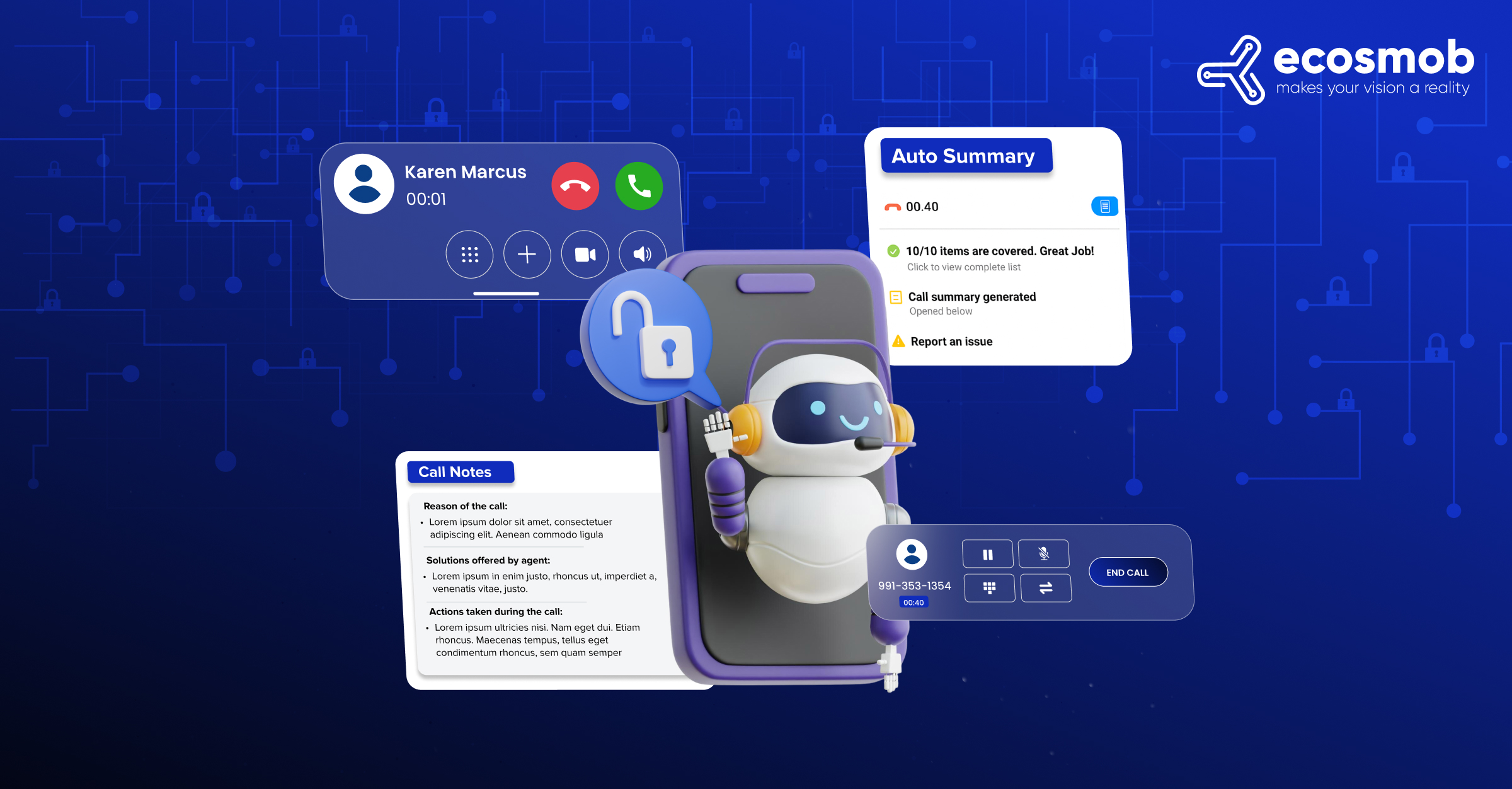
2. Omnichannel Customer Support Platforms
This is where experience either holds up or falls apart.
Support-focused omnichannel platforms bring all customer queries into one place, so your team isn’t switching tabs or asking customers to repeat themselves.
Best for:
- Unified support inbox
- Ticketing + live chat
- AI chatbots
Where it shows up:
- WhatsApp, voice, and chat handled in one dashboard
- Context-aware support where agents see full history
This is what keeps customers from feeling like they’re starting over every time they reach out.
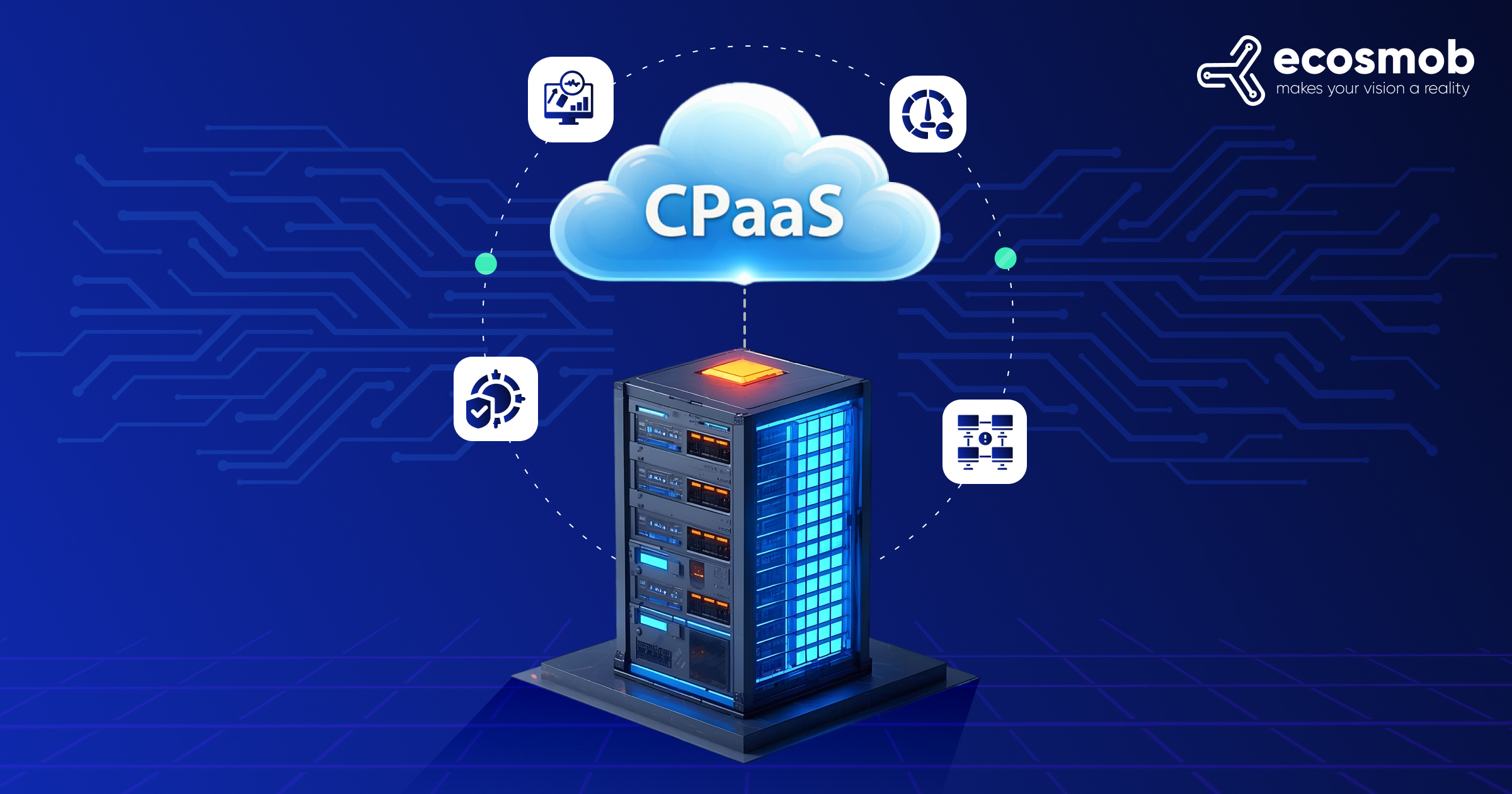
3. Omnichannel Communication Platforms (CPaaS)
This is where things get more flexible and more powerful.
Instead of using ready-made tools, these platforms let you build your own communication flows using APIs. It’s a strong fit if your business needs real-time, customizable interactions.
Best for:
- Real-time communication APIs
- Voice, video, and messaging integration
- Custom workflows
Where it shows up:
- In-app calling experiences
- Programmable messaging across channels
If the other platforms help you use omnichannel, this is where you build it around your exact use case.
This gives you full control over how your communication experience is designed and delivered.
With that clarity, let’s look at the top platforms worth considering in 2026.
10 Best Omnichannel Platforms for Business Growth in 2026
You now know what omnichannel means and the different types. The next step is choosing the best omnichannel platform that actually fits how your business operates.
Let’s keep this simple and real: what each platform does, who it’s for, and where it fits.
1. Ecosmob Omnichannel Communication Solutions
 A highly customizable omnichannel communication platform designed to unify voice, messaging, and real-time interactions into a single, scalable system. Unlike off-the-shelf tools, it focuses on building communication workflows tailored to business logic.
Best for: Enterprises, telecom providers, SaaS platforms, and businesses needing custom communication infrastructure
Key Features
Pros
Limitations:
Use case:
- When your business needs a custom-built omnichannel communication platform that aligns with your internal processes, not the other way around.
This isn’t about adding more, it’s about making it all work together.
2. HubSpot
 A CRM-centric omnichannel marketing platform that connects marketing, sales, and service into a unified customer journey, with strong emphasis on inbound and automation.
Best for: Startups and mid-sized businesses focused on lead generation, nurturing, and lifecycle management
Key Features:
- Customer journey mapping
Pros:
- Scalable for growing businesses
Limitations:
Use case:
- When you need a best omnichannel marketing platform that aligns marketing, sales, and service without heavy technical overhead.
3. Zendesk
 A mature omnichannel customer support platform built to handle high-volume interactions across multiple channels with structured workflows and automation.
Best for: Customer support teams in mid to large enterprises managing large ticket volumes.
Key Features:
- Advanced analytics and reporting
Pros:
Limitations:
Use case:
- When your priority is delivering consistent, scalable support through a robust omnichannel customer support platform.
4. Salesforce
 An enterprise-grade omnichannel platform that combines CRM, AI, automation, and analytics into a deeply customizable ecosystem.
Best for: Large enterprises with complex customer journeys, multiple teams, and advanced data requirements
Key Features:
Pros:
Limitations:
Use case:
- When you need a fully integrated, enterprise-scale omnichannel platform for business operations and customer experience.
5. Freshworks
 A modern omnichannel platform offering a balance between usability, automation, and affordability, with built-in AI capabilities.
Best for: Growing businesses looking for a quick-to-deploy omnichannel solution
Key Features:
Pros:
Limitations:
Use case:
- When you need a ready-to-use omnichannel platform that balances functionality and simplicity.
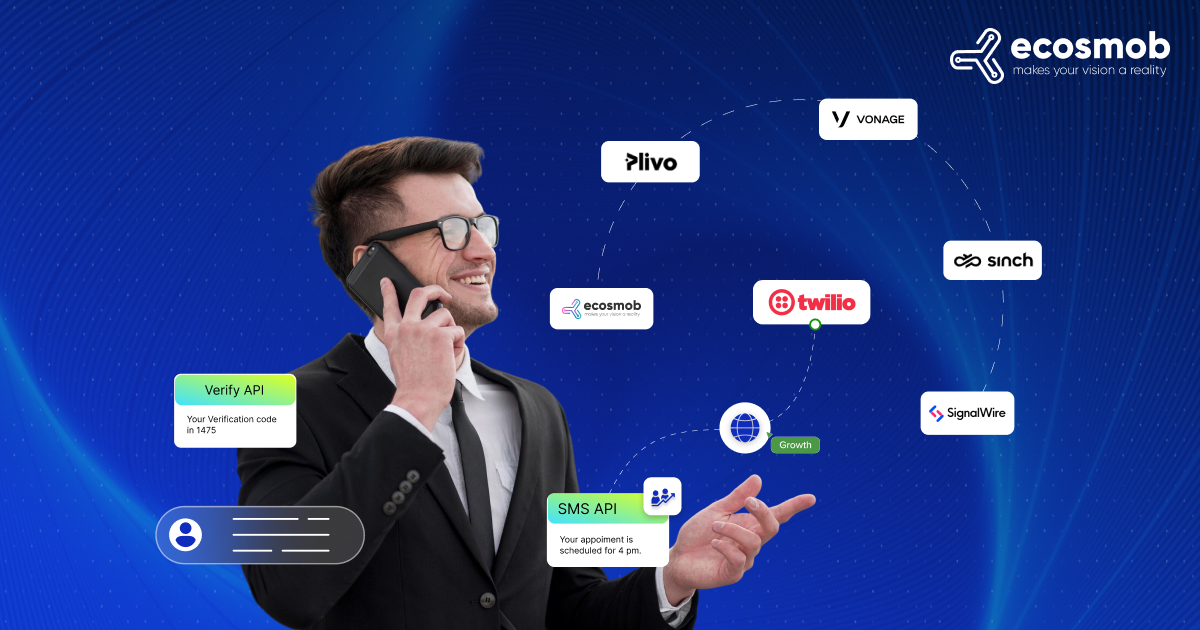
6. Twilio
 A developer-first omnichannel communication platform (CPaaS) that enables businesses to build fully customized communication systems using APIs.
Best for: Tech-driven companies, product teams, and businesses building communication into their applications
Key Features:
Pros:
Limitations:
Use case:
- When you want to build a custom omnichannel communication platform tailored to your product or service.
7. Intercom
 A conversational engagement platform focused on real-time messaging, automation, and personalized user interactions.
Best for: SaaS and product-led companies focusing on onboarding and user engagement.
Key Features:
Pros:
Limitations:
Use case:
- When your focus is on improving onboarding, engagement, and retention through conversational experiences.
8. Zoho
 A cost-effective omnichannel platform that integrates CRM, marketing, and support tools into a single ecosystem.
Best for: Small to mid-sized businesses looking for an affordable all-in-one solution.
Key Features:
Pros:
Limitations:
Use case:
- When your focus is on improving onboarding, engagement, and retention through conversational experiences.
9. MessageBird
 A global omnichannel communication platform focused on messaging APIs and cross-channel engagement.
Best for: Businesses managing large-scale messaging across regions
Key Features:
Pros:
Limitations:
Use case:
- When messaging is central to your omnichannel communication platform strategy.
10. Kustomer
 An omnichannel customer support platform that organizes all interactions into a single timeline for better context and continuity.
Best for: Support teams that rely heavily on context-rich customer interactions.
Key Features:
Pros:
Limitations:
Use case:
- When your goal is to deliver seamless, context-driven support through an omnichannel customer support platform.
All your channels are busy. Are they even in sync?
How to Choose the Best Omnichannel Platform
Most teams don’t struggle with options. They struggle with clarity. Use this quick checklist. Don’t overthink, just see how many times you say “yes.”
- We need more than just email and chat—we rely on voice, messaging, or real-time communication
- Our customers switch between channels (chat → WhatsApp → call) frequently
- Our current tools don’t share context or sync properly
- We need to integrate with CRM, APIs, or existing systems
- We expect our communication volume to grow significantly in the next 1–2 years
- We need flexibility to customize workflows, routing, or communication logic
- We want to automate conversations using AI or smart workflows
And what now?
- ✔ 1–2 boxes checked – You can work with a standard omnichannel marketing or support platform.
- ✔ 3–4 boxes checked – You need a platform that balances ease of use with flexibility.
- ✔ 5 or more boxes checked – You’re not just choosing a tool, you’re building a communication system.
This is where a customizable omnichannel communication platform like Ecosmob becomes the right fit.
Use Case Examples of Omnichannel Platform
Customers don’t think in channels, they just expect things to work.
In fact, 73% of customers expect businesses to understand their needs across interactions, and companies using omnichannel strategies see up to 30% higher customer lifetime value. That’s why businesses across industries are shifting toward connected experiences, not isolated touchpoints.
🛒 E-commerce
A customer places an order and receives updates on WhatsApp, gets the invoice on email, and reaches support via chatbot, all without losing context.
→ Faster updates, fewer support queries, smoother post-purchase experience
💻 SaaS
A user signs up, gets onboarding emails, uses in-app chat for quick help, and connects with support via voice when needed, without repeating information.
→ Better onboarding, higher activation, improved user retention
🏥 Healthcare
Patients receive appointment reminders via SMS, follow-up details on email, and can connect over voice for urgent queries, all connected to their records.
→ Reduced no-shows, better communication, improved patient experience
Different industries use omnichannel differently, but the goal is always continuity. Let’s bring everything together.
The Bottom Line?
Customers don’t see channels, they see experiences. And as we’ve seen, the difference between fragmented and connected communication directly impacts how fast you respond, how well you retain, and how smoothly your teams operate. The best omnichannel platform isn’t about adding more tools, it’s about making every interaction feel like part of the same conversation.
That’s where Ecosmob comes in, helping businesses build customizable omnichannel communication platforms that unify voice, messaging, and real-time interactions into one seamless system, tailored to how you operate and scale.
If your channels aren’t working together yet, that’s the gap worth fixing.
If your customers are already moving across channels, your system should too, why hold it back now?
FAQs
What is an omnichannel platform?
An omnichannel platform is a system that connects all customer communication channels, like voice, SMS, WhatsApp, email, and chat, into one unified experience where conversations continue without losing context.
What is the difference between omnichannel and multichannel?
Multichannel means you’re present on multiple platforms, but they work separately.
Omnichannel means all those channels are connected, so the conversation flows seamlessly across them.
Why do businesses need an omnichannel platform?
Because customers switch channels constantly. Without an omnichannel setup, they repeat themselves, and your teams lose context. With it, interactions become faster, smoother, and more consistent.
Which is the best omnichannel platform for business?
There’s no one-size-fits-all answer. The best omnichannel platform depends on your needs, whether you focus on marketing, customer support, or building custom communication workflows.
How do I choose the right omnichannel platform?
Start with your use case. If you need simple automation, go with ready-made tools. If you need scalability, real-time communication, and customization, look for a flexible omnichannel communication platform.