













QUICK SUMMARY
In this blog, we explore the top Kubernetes management tools you need in 2025 to scale, secure, and simplify your VoIP infrastructure. From traffic routing to cost control, find the right solutions to eliminate downtime, reduce manual work, and gain full control over your cloud-native communication platform.
VoIP solutions have made your life easier. You no longer have to deal with bulky physical telephony systems or the constant problems that came with them.
Just a VoIP solution and an internet connection, and you are good to go. Your business communication is now powered by VoIP.
Always active, reliable, and cost-efficient.
But there is another side you might not have considered. While VoIP keeps your communication running smoothly, the VoIP system itself also needs care.
You still need to manage the infrastructure where it runs. This is not just a basic app or a website you launch once and forget. It is the core of your communication setup.
Kubernetes helps you handle that.
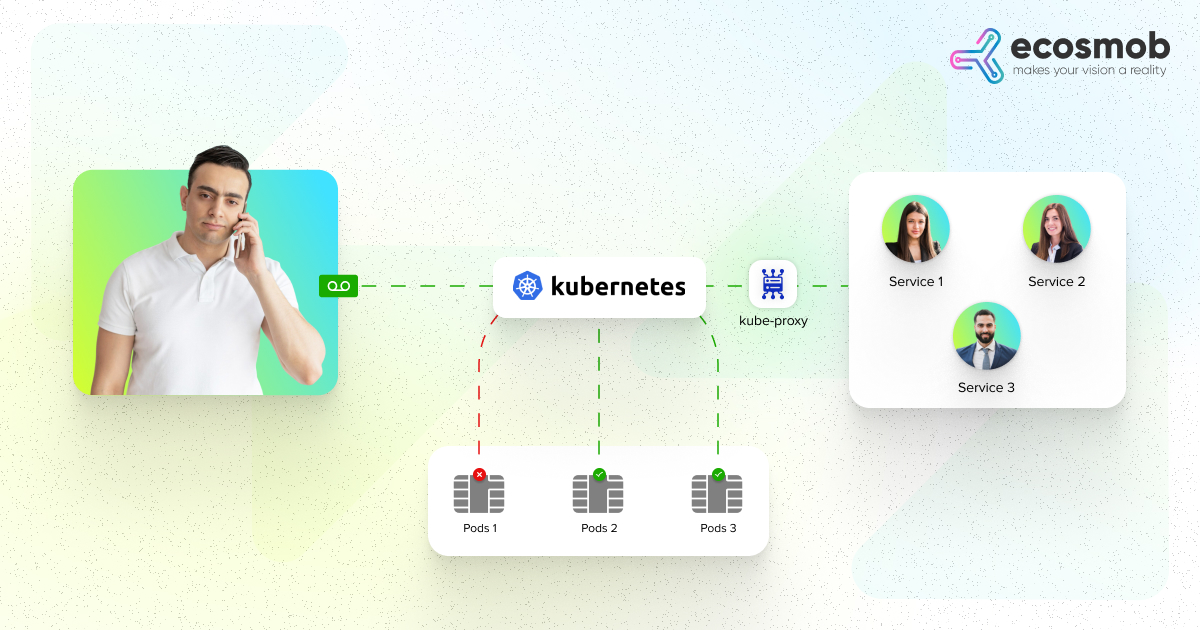
It is the engine behind modern infrastructure. Whether you are running a VoIP platform or any scalable cloud-native application, Kubernetes takes care of the complex parts. It manages scaling, balances the load, handles failovers, and keeps things running without needing constant attention.
Managing Kubernetes, however, is not a simple task. Setting it up, maintaining clusters, and applying updates can be time-consuming, especially when your focus is on growing your business.
To keep things running, you need a management tool that simplifies Kubernetes. A tool that gives you control without all the complications.
In this blog, we will explore some of the top Kubernetes manager tools that help you deploy, manage, and scale your infrastructure confidently. No headaches, no endless configuration, just the tools that make everything easier.
Firstly, let’s understand why you need tools to manage Kubernetes.
Why You Should Focus on Proper Kubernetes Management?
Now you might be wondering. What is all the hype around Kubernetes? Why not just deploy your app and move on?
Here is the thing. Your infrastructure is the core of everything. If that is weak, nothing else will hold up. And Kubernetes is what keeps that foundation solid, stable, and dependable.
When your VoIP solution or any modern app needs to support thousands of users across different locations and stay online 24/7, Kubernetes is the technology working behind the scenes. It handles scaling, traffic flow, failover, and resource usage. And it does all of that without needing someone to constantly monitor it.
But even though Kubernetes is powerful, it is not simple.
If you do not manage it properly, it can create more issues than it solves. From misconfigured clusters and sudden downtime to wasted resources, things can quickly spiral out of control and hurt your service and business.
That is why managing Kubernetes the right way is not optional. It is something you need to take seriously. You need tools that help you stay on top of everything, monitor how things are running, and make updates without worrying about breaking something important.
Because at the end of the day, using Kubernetes is only part of the journey. Managing it properly is where the real value comes in.
And this is where Kubernetes manager tools step in to help you stay in control.
Now, you might be wondering. Which tools should you use? Which ones will actually help you, and which ones do you really need? To make that decision, you first need to understand your requirements, what each tool offers, and what they bring to the table.
So, how can you do that? Just Google it?
Haha, no. You are here for a reason, and so am I. Let’s move on to the next section, where we will explore the various tools together.
Your VoIP calls deserve better than generic ingress tools.
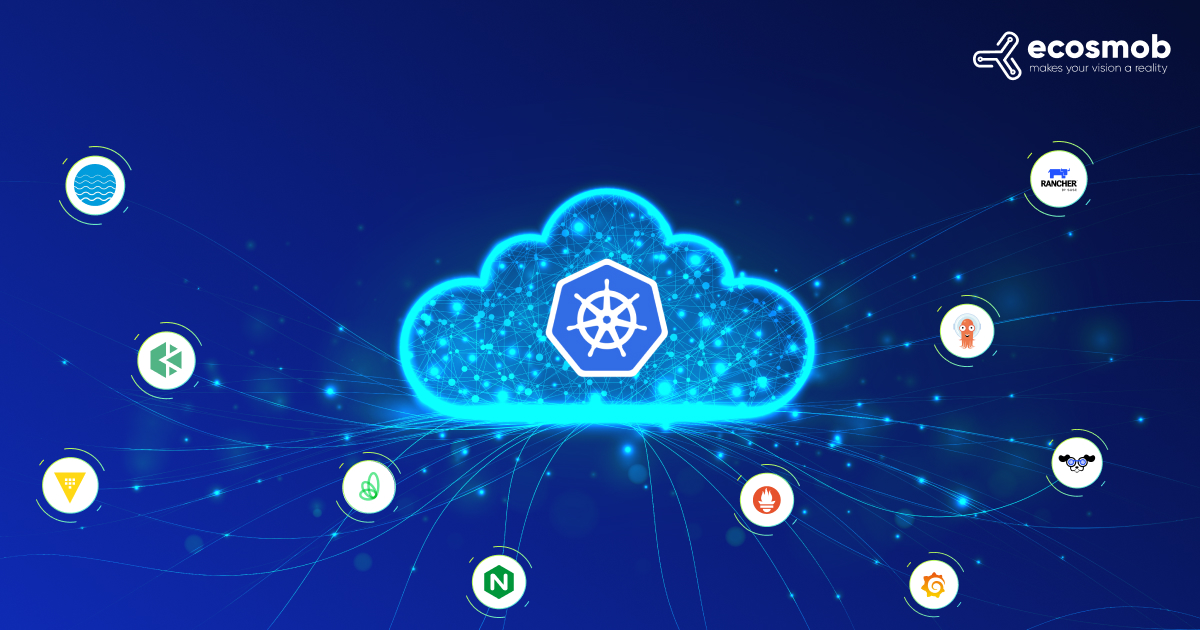
Top 10 Kubernetes Management Tools You Should Know
1. Ingress Controller
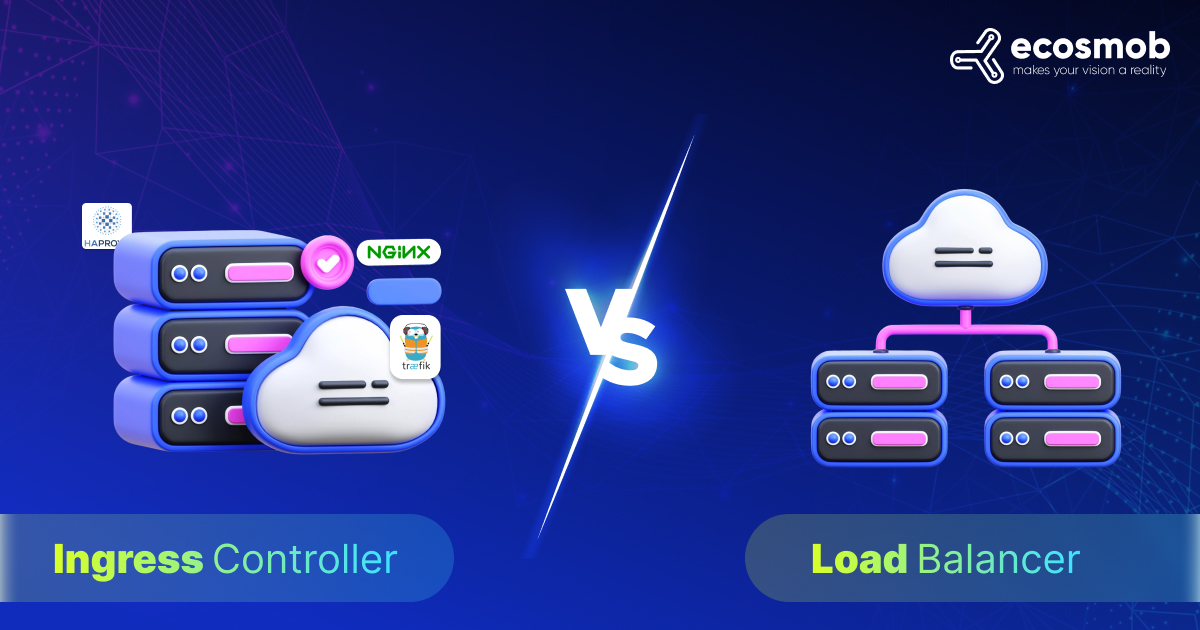
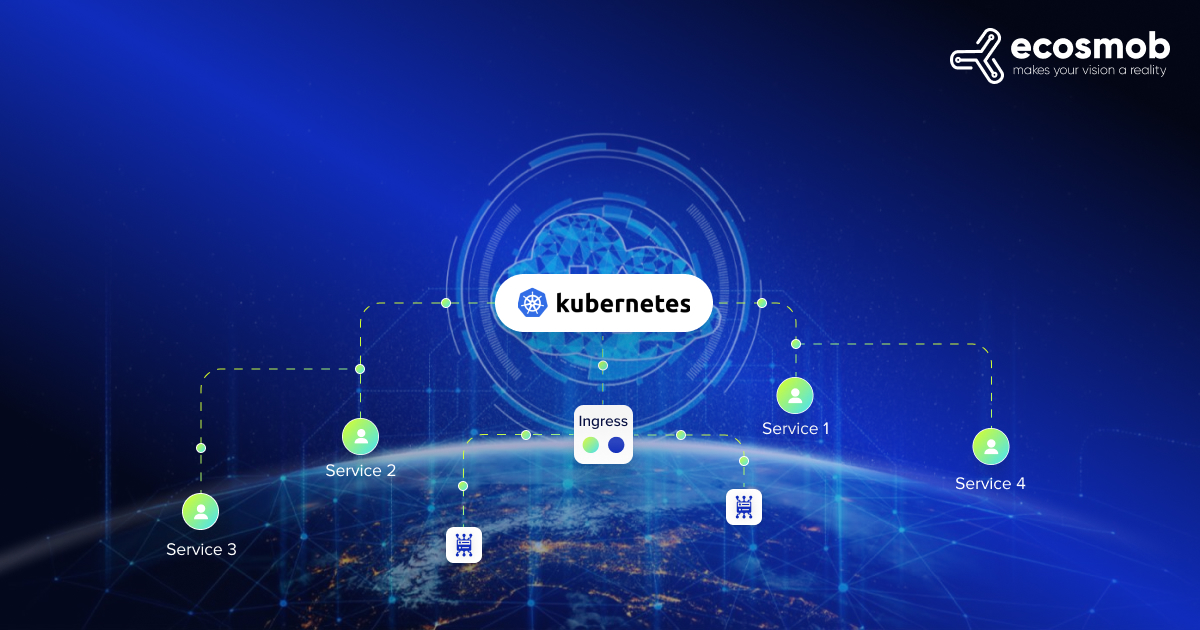
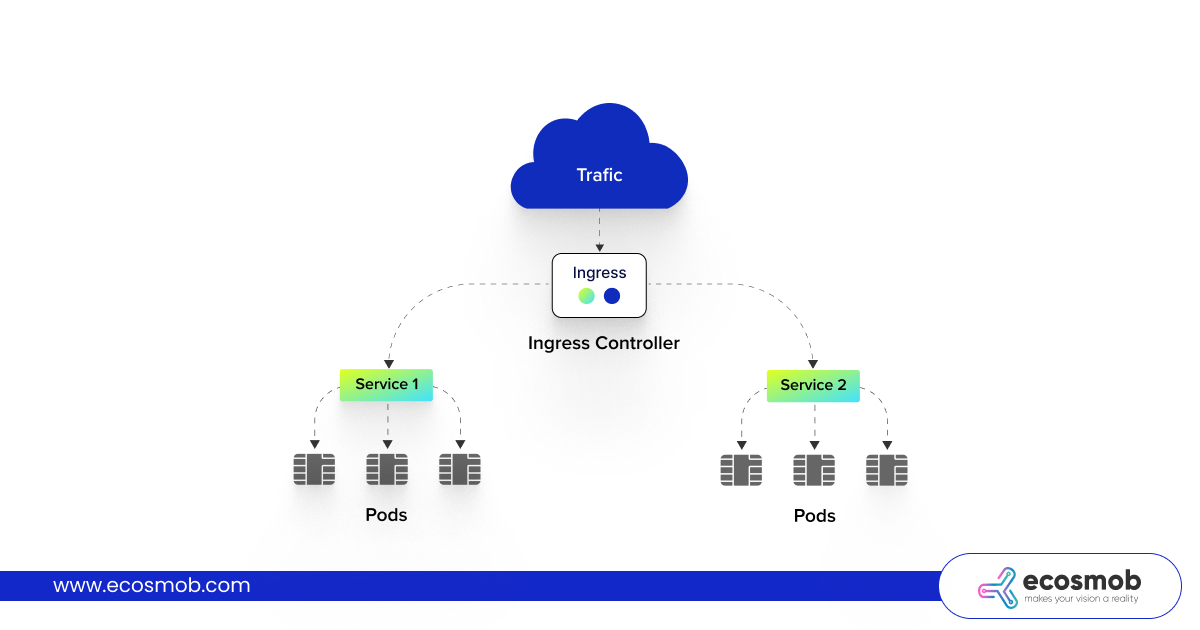 Ingress Controller acts as the entry point to your Kubernetes cluster. It routes incoming traffic to the right services based on defined rules. This helps you manage how users and systems connect to your applications from the outside.
You can set up routing for different paths, handle SSL certificates, and apply traffic rules without touching the backend services. Most controllers also support annotations and can be customized to fit specific routing needs.
Ingress Controller is an important part of any Kubernetes deployment that handles web traffic. It gives you control over how external users access your apps, while keeping your infrastructure flexible and secure.
Do you know?
Most traditional Ingress Controllers are not designed to handle SIP traffic.
That means if you’re running a VoIP platform on Kubernetes, you’re likely dealing with manual workarounds, broken routing, or performance issues you didn’t even know were avoidable.
Ecosmob’s SIP Ingress Controller solves that problem. It’s the first and only cloud-native solution built specifically for SIP in Kubernetes environments, making your VoIP infrastructure faster, more reliable, and truly scalable
2. Rancher
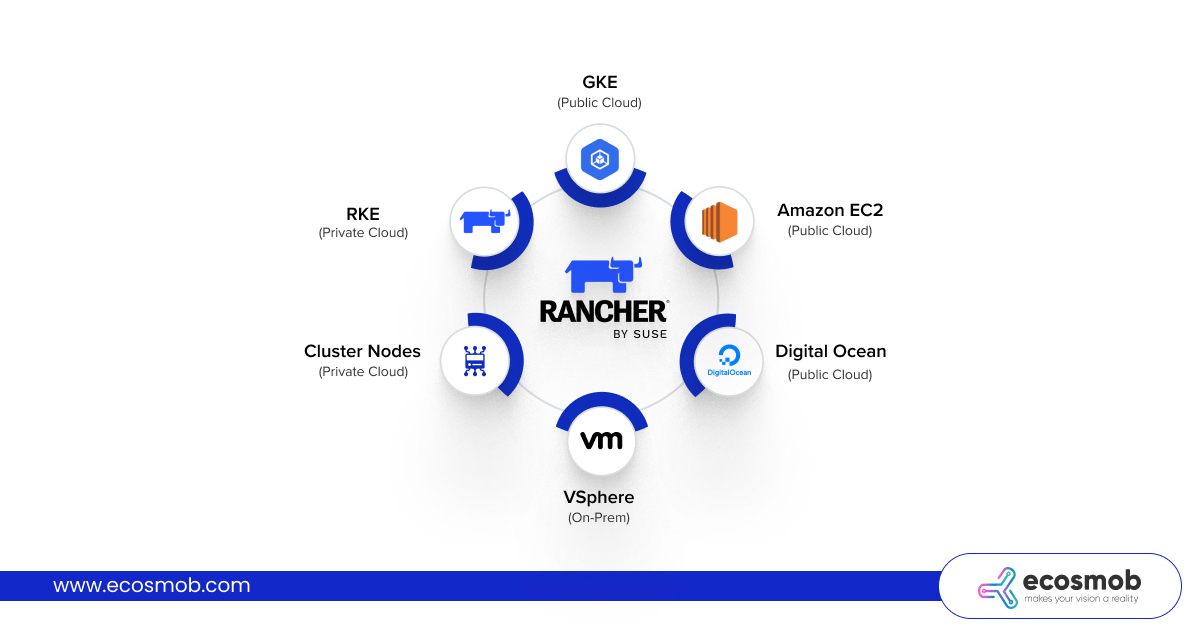 Rancher gives you a clean and centralized way to manage all your Kubernetes clusters from one place. You can deploy, monitor, and secure clusters across cloud providers and on-premise environments using a single dashboard.
It supports popular Kubernetes distributions like RKE and K3s and works well across different setups. With built-in authentication, role-based access control, and security policy management, Rancher makes it easier to handle users, permissions, and network rules.
For teams managing multiple clusters, Rancher brings consistency and control. You can apply custom policies, configure access settings, and keep an eye on cluster health without switching between tools.
Rancher is a solid option for teams that need reliable, enterprise-ready Kubernetes management. It simplifies operations while giving you the flexibility and visibility you need to scale with confidence.
3. Argo CD
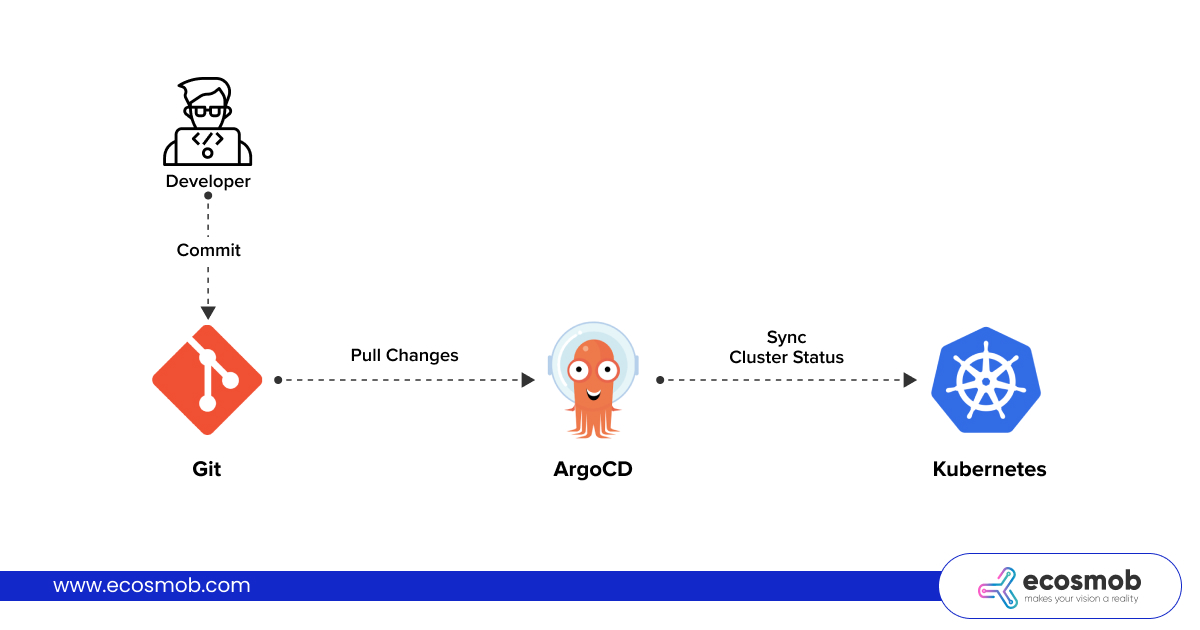 Argo CD helps you manage Kubernetes deployments by connecting them directly to your Git repositories. It follows a GitOps approach, where your Git repo becomes the single source of truth for your application configuration. This means you can track changes, roll back easily, and sync updates without doing everything manually.
With Argo CD, you get a clear view of your applications through a visual interface. It shows you the health of each app, the sync status, and any differences between the desired state and what is currently running. This makes it easier to spot issues and fix them quickly.
You can manage multiple clusters and repositories at the same time, and the tool includes useful features like role-based access control, single sign-on, and secure secret handling.
Argo CD is a strong choice for teams that want to automate and improve deployments across environments. It brings consistency, control, and visibility to your Kubernetes workflows without adding unnecessary complexity.
4. K9s
 K9s gives you a terminal-based interface to manage your Kubernetes clusters in real time. It is built for developers and SREs who are comfortable working in the command line and want a faster way to interact with their clusters.
You can explore pods, deployments, services, and other resources directly from your terminal window. The interface keeps watching your resources live, so you can monitor and troubleshoot without constantly running separate commands.
K9s makes it easier to view logs, check the status of workloads, and jump between resources quickly. It removes the need to write long kubectl commands every time you want to check something.
For teams and individuals who prefer working in the terminal, K9s is a helpful tool that brings speed and clarity to Kubernetes management. It is lightweight, efficient, and widely used in the open-source community.
Generic ingress wasn’t made for SIP.
5. Prometheus & Grafana
 Prometheus and Grafana work together to help you monitor your Kubernetes environment with clarity and depth. Prometheus collects metrics from your services and stores them in a time-series database. Grafana takes those metrics and turns them into visual dashboards that are easy to read and customize.
Prometheus connects well with Kubernetes, supports automatic service discovery, and lets you define custom metrics and alert rules. This means you can keep track of everything that matters and get notified when something goes off track.
Grafana adds the visual layer, giving you flexible charts, templates, and plugins to present your data the way you want. You can track performance, resource usage, and trends over time without digging through logs or writing complex queries.
This pair continues to be one of the most popular choices for teams that want strong monitoring and performance insights in their Kubernetes setup.
Do you know?
More than 60% of companies are already using Kubernetes to run their production workloads. And that number is still growing fast.
That means if you’re not managing your setup the right way, you’re already behind. Because while Kubernetes gives you power, it’s the tools you use with it that decide how smoothly things really run.
6. Ingress-NGINX Controller
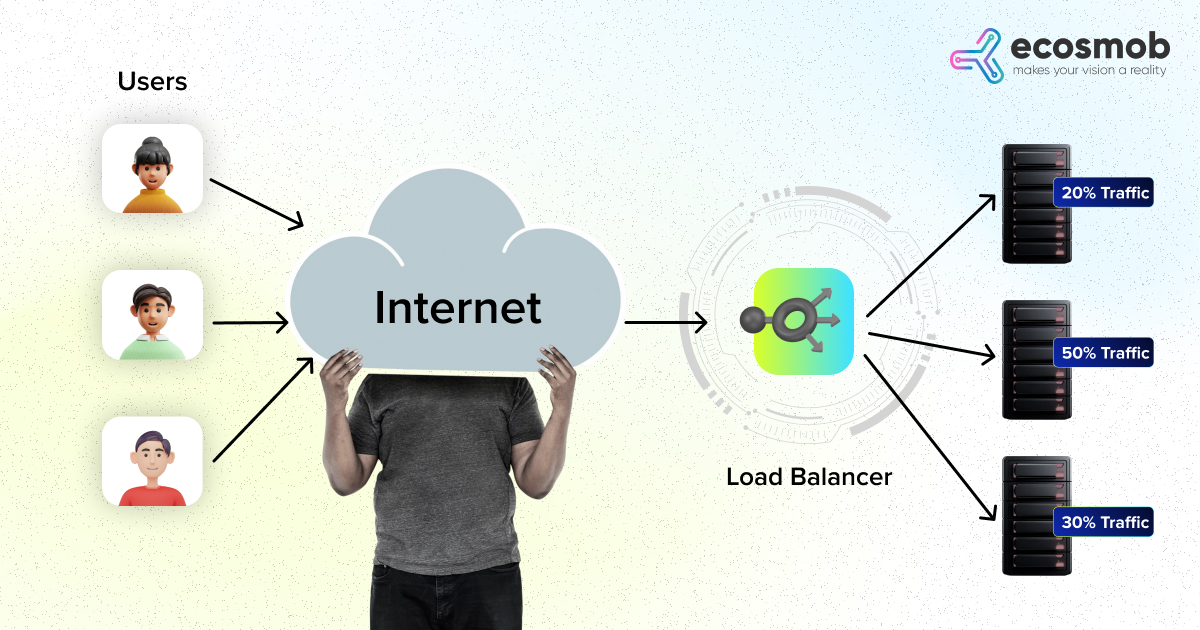
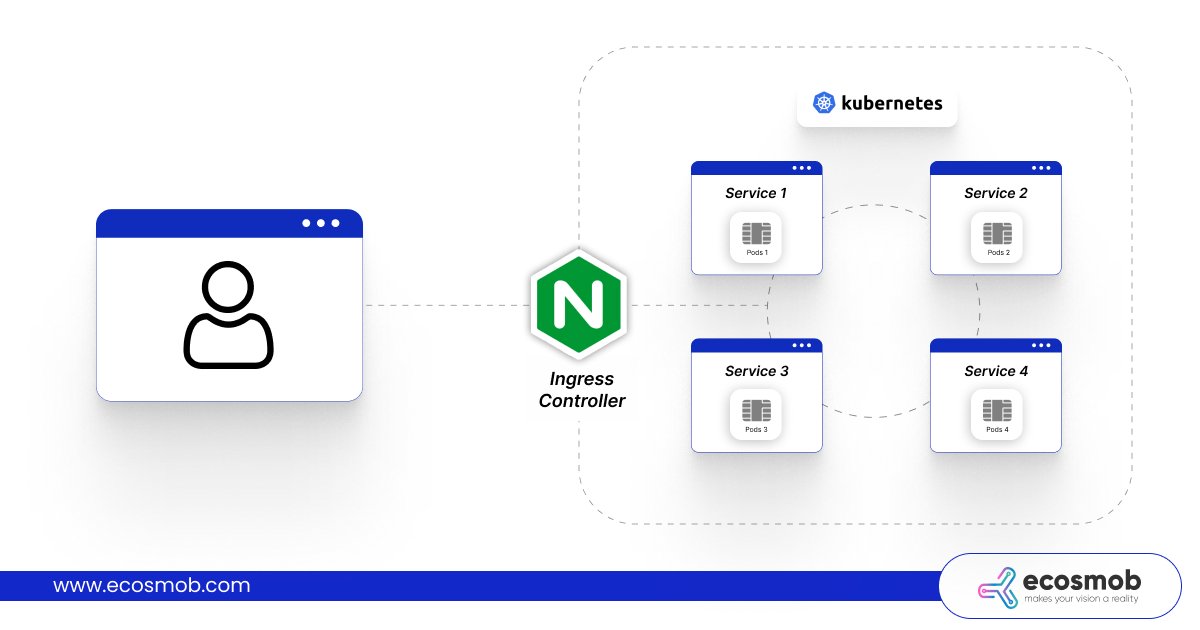 Ingress-NGINX Controller helps you control how external traffic reaches your services inside a Kubernetes cluster. It uses NGINX to act as a reverse proxy and load balancer, giving you fine control over routing, SSL termination, and request handling.
You can define routing rules using Kubernetes-native configuration files. This makes it easier to manage HTTP and HTTPS traffic, apply filters, and control access as your services scale.
The controller is flexible and supports custom annotations and templates. It fits well into different environments and can be adjusted to meet specific routing needs.
Ingress-NGINX is an important part of a production-ready Kubernetes setup. It gives you the control you need to manage traffic efficiently and keep your services reachable and secure.
7. Kubecost
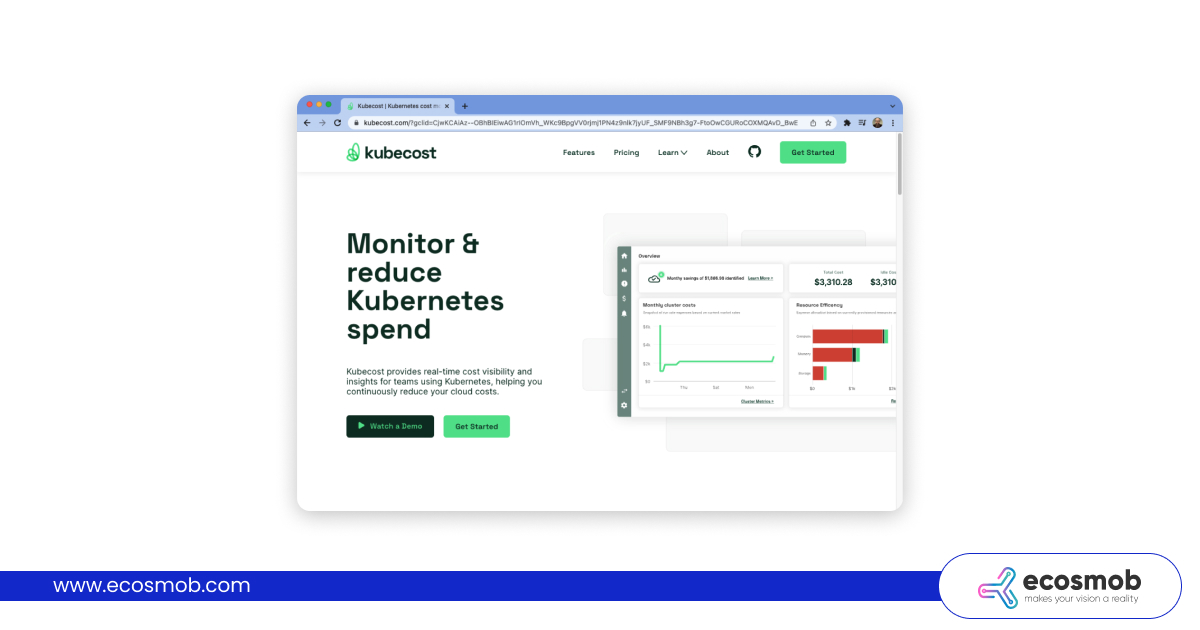 Kubecost gives you clear insight into what your Kubernetes workloads are costing in real time. It helps you see exactly where your cloud spend is going, whether at the cluster, namespace, deployment, or pod level.
It works with all major cloud providers and fits smoothly into existing Kubernetes setups. You can track spending, set budgets, and receive alerts before costs get out of hand. It also offers recommendations to help you optimize your resource usage and reduce waste.
The built-in dashboards show past trends and help you forecast future costs, making it easier to plan and stay on budget.
Kubecost is a valuable tool for teams that want better visibility and control over their cloud spending. It brings financial clarity into your Kubernetes environment without slowing down your workflow.
8. HashiCorp Vault
 HashiCorp Vault helps you manage secrets securely in your Kubernetes environment. It handles credentials, tokens, and API keys by storing them safely and making sure only the right services can access them.
Vault works well with Kubernetes through its built-in authentication method. This allows your pods to request and retrieve secrets without hardcoding anything or exposing sensitive data.
You can create fine-tuned access policies, enable encryption, and keep a detailed audit of who accessed what and when. Secrets can be rotated automatically, so you do not have to worry about managing them manually.
For teams that need strong security and centralized secret handling, Vault is a trusted choice. It keeps your sensitive data protected while helping you stay organized and compliant.
9. KubeSphere
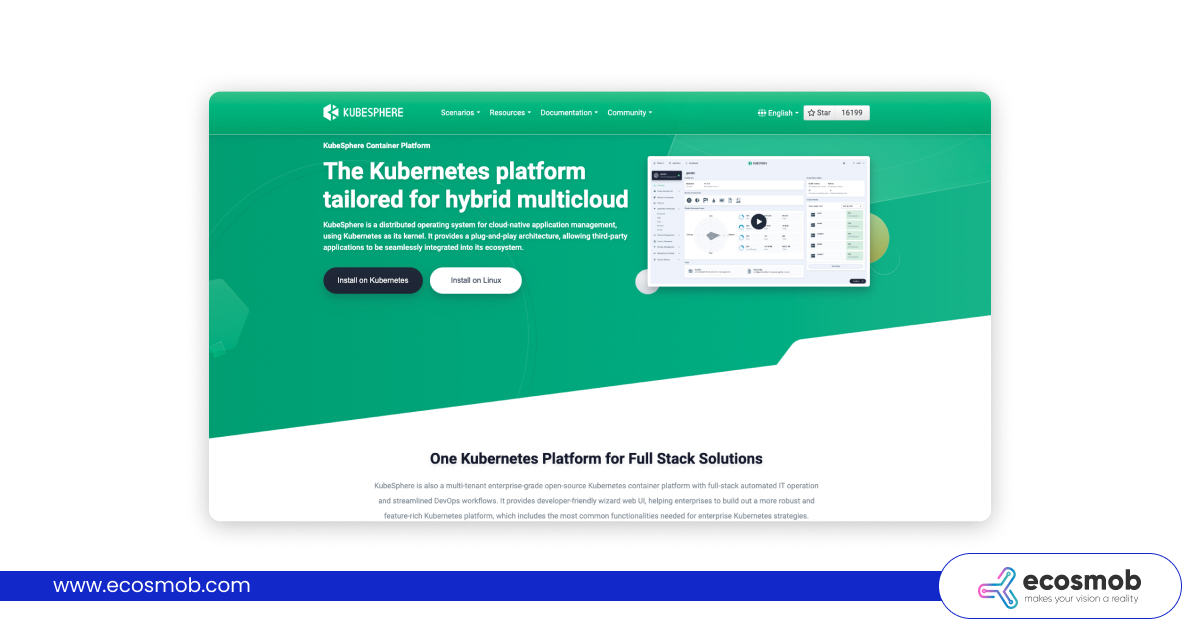 KubeSphere is an open-source platform that adds a user-friendly layer on top of Kubernetes. It brings together DevOps tools, multi-cluster management, and observability into one clean web interface.
You can deploy applications, monitor resources, and set up CI/CD pipelines without needing deep Kubernetes knowledge. It also includes tools for logging, auditing, alerting, and managing service mesh features, making it easier to keep everything under control.
KubeSphere supports multi-tenant environments, so teams across your organization can work independently while sharing the same platform. It is designed to scale with your needs and simplify complex tasks.
For teams looking for an all-in-one Kubernetes management solution, KubeSphere offers flexibility, visibility, and ease of use.
Stop patching workarounds for SIP traffic.
10. Velero
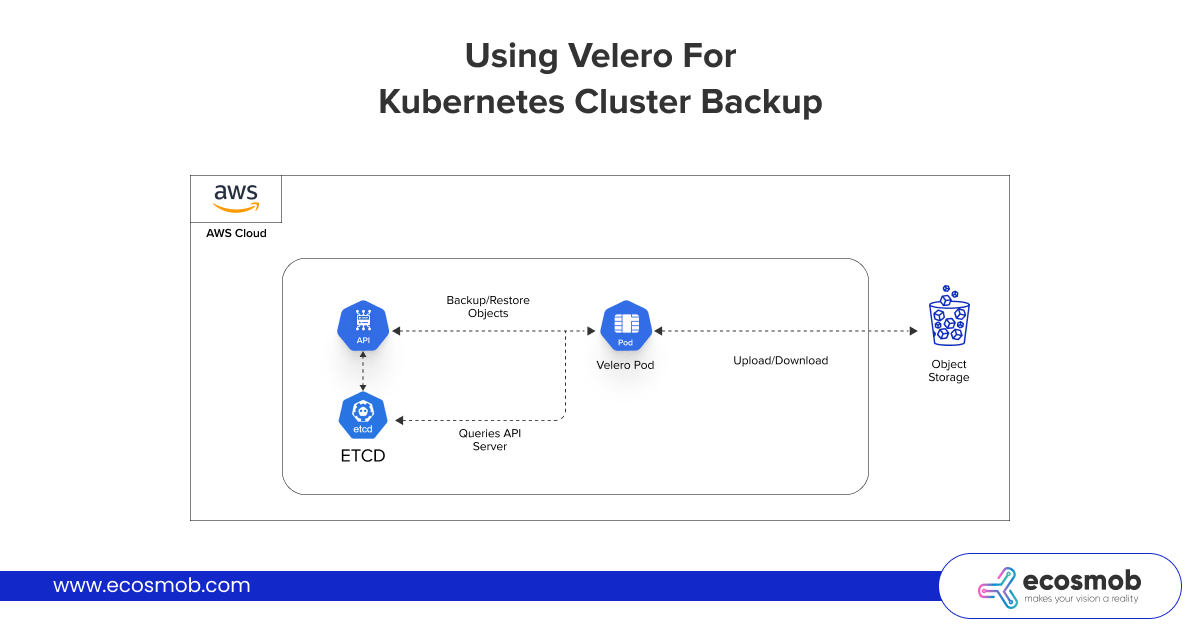 Velero helps you protect your Kubernetes resources by making backup and restore simple and reliable. You can schedule backups, recover from disasters, and even move workloads between clusters without manual effort.
It supports major cloud storage providers and works with different Kubernetes distributions. You can manage everything through the command line or use the dashboard to check backup status, view logs, and start restores when needed.
Velero is especially useful for teams running critical applications. It makes sure your cluster data and volumes are safe and recoverable when something goes wrong.
For anyone serious about Kubernetes reliability and disaster recovery, Velero is a must-have tool that keeps your infrastructure prepared and protected.
Tip
Wasting cloud budget without realizing it? You’re not alone.
Up to 40% of cloud spend gets lost on over-provisioned and underused Kubernetes resources.
Using a proper Kubernetes management tool helps you monitor usage, optimize costs, and make sure every resource is working for you, not against your budget.
In conclusion,
So there you have it. Ten powerful Kubernetes management tools that are built to make your life easier. Each one helps you handle different parts of your infrastructure, from cost tracking and traffic control to backups and secret management.
Managing your Kubernetes setup does not have to feel overwhelming. The right tools can give you better control, reduce guesswork, and help you keep everything running the way it should.
Now it is your turn to explore, see what fits your needs, and take full control of your Kubernetes environment.
But if you are running SIP-based VoIP services, most Ingress Controllers will fall short. They are not built for SIP traffic, which means more manual work, delays, and unreliable performance.
Ecosmob’s SIP Ingress Controller can change that.
It is the first cloud-native Ingress Controller made for SIP, built to run with Kubernetes. It automatically handles Pod IP discovery using HTTP/S and eliminates the need for constant configuration.
Powered by SIP Proxy and custom-built features, it gives VoIP providers and telecom platforms a faster, more reliable way to scale.
Want to see it live?
Book a Free Demo Now.
FAQs
What are Kubernetes management tools, and why do I need them?
Kubernetes management tools help you control, monitor, and automate your Kubernetes clusters. They reduce manual work, improve reliability, and give better visibility into your infrastructure.
Which are the best Kubernetes management tools for 2025?
Some of the best Kubernetes management tools in 2025 include Ingress controller, Rancher, Argo CD, Prometheus with Grafana, and KubeSphere. These tools offer a mix of monitoring, automation, and simplified cluster control.
What is the difference between Kubernetes cluster management tools and general Kubernetes tools?
Kubernetes cluster management tools focus on managing multiple clusters, access control, and resource governance. General Kubernetes tools may include monitoring, backups, CI/CD, and secret management.
Are there open-source Kubernetes management tools available?
Yes, many Kubernetes management tools are open source. Popular open-source options include Lens, Argo CD, Prometheus, Grafana, and K9s. These tools are widely used and supported by the community.
What is the best Kubernetes management platform for enterprises?
For enterprise Kubernetes management, tools like Rancher, KubeSphere, and HashiCorp Vault are commonly used. They offer multi-cluster support, strong security, and integrations for large-scale operations.
How can I monitor my Kubernetes environment effectively?
Using the best Kubernetes monitoring tools like Prometheus and Grafana helps track performance, resource usage, and health metrics in real time. These tools provide alerts and visual dashboards for quick analysis.
Which tools help with Kubernetes secret management?
HashiCorp Vault is one of the most reliable Kubernetes secret management tools. It securely stores credentials, API keys, and tokens, while allowing fine-grained access control and automated secret rotation.