
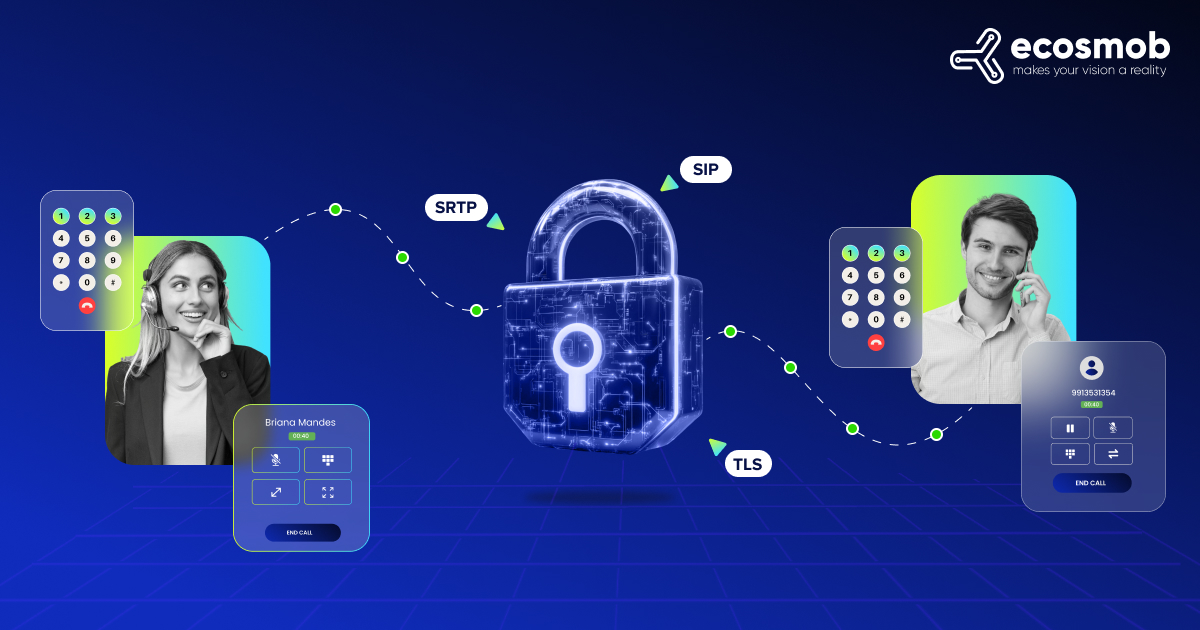
Ever feel like someone might be listening to your phone calls?
No, it’s probably not the government – it’s hackers!
And if you’re using VoIP without encryption, you might as well be broadcasting your conversations on a loudspeaker.
Let’s be real – in today’s world, privacy isn’t a luxury – it’s a necessity.
🗣 What is VoIP and Why Does Its Encryption Matter?
VoIP (Voice over Internet Protocol) is basically the digital evolution of traditional phone calls. Instead of old-school copper wires, it transmits voice data over the internet. It’s cheap, efficient, and flexible – but here’s the catch – anything traveling over the internet is fair game for hackers unless properly secured.
Imagine discussing confidential business plans or sharing personal details on an unencrypted VoIP call. Without the right VoIP encryption methods, cybercriminals can intercept and exploit this data. That’s where encryption comes in – locking down your conversations to ensure your voice stays yours.
DID YOU KNOW?
The first VoIP call was made in 1973 by Dr. Martin Cooper, the inventor of the mobile phone, using a system called “The Internet Protocol.” It wasn’t until the 1990s that VoIP technology became mainstream.
What are the Threats to Unencrypted VoIP Calls?
Leaving your VoIP calls unprotected from VoIP potential threats is like leaving your front door wide open in a bad neighborhood – anyone can waltz in. Here’s what can happen if your calls aren’t secured:
🗣 Eavesdropping
Ever get that eerie feeling someone’s listening in? With unencrypted VoIP calls, they probably are! Hackers can tap into your conversations, stealing personal or business info. If you want an encrypted VoIP service, encryption is your best defense.
🗣 Man-in-the-Middle Attacks (MITM)
Picture this: you’re on a call with a colleague, but what if a hacker secretly intercepts the conversation, alters messages, or even impersonates you? Without solid VoIP encryption protocols, your private discussions could turn into someone else’s playground.
🗣 DDoS Attacks
Your encrypted VoIP phone suddenly goes silent in the middle of an important call. Why? Attackers flood your VoIP network with junk traffic, making it unusable. A strong VoIP encryption method coupled with network security can help prevent these attacks.
🗣 Phishing
It’s not just about sneaky hackers; sometimes, they trick you into giving them access. Fake emails, deceptive links, and social engineering tactics can steal login credentials and compromise even the most end-to-end encrypted VoIP systems.
🗣 Malware & Viruses
Unsecured VoIP systems are just another entry point for malware. Cybercriminals can inject malicious software to spy on your calls or even take over your system. An open-source encrypted VoIP solution with strong security measures is a smart way to stay ahead.
🗣 Wangiri Fraud
Ever had a missed call from an unknown international number? That’s Wangiri fraud. Call back, and you could be racking up insane charges. While encryption won’t stop Wangiri scams, a properly secured encrypted VoIP service can help detect and block fraudulent activity.
The bottom line? If your VoIP isn’t encrypted, you’re rolling out the red carpet for cyber threats.
📱What is VoIP Encryption?
VoIP encryption is the process of scrambling voice and signaling data transmitted over the internet so only authorized parties can decode it. It uses protocols like TLS to secure call setup (SIP signaling) and SRTP to secure the voice media itself, preventing eavesdropping, call hijacking, and data tampering.
Encryption in VoIP works by converting voice data into a secure format that only the intended recipient can decode. Think of it as your private call getting wrapped in an unbreakable digital vault while traveling across the internet.
Here’s how encryption shields you from the threats above –
👉 Eavesdropping? Blocked.
Encryption scrambles your voice data, so hackers can’t make sense of it.
👉 MITM Attacks?
No chance. Secure protocols verify both parties before establishing a connection.
👉 DDoS Attacks? Minimized.
Encrypted connections reduce vulnerability to brute-force attacks.
👉 Phishing? Tougher to exploit.
Strong security frameworks make stealing credentials harder.
👉 Malware? Stopped at the gate.
Secure VoIP setups prevent unauthorized software from sneaking in.
👉 Wangiri Fraud? Detectable.
Advanced encryption-based fraud monitoring can spot and block scam numbers.
DID YOU KNOW?

According to Cisco, businesses that switch to VoIP can reduce their carbon emissions by up to 70% by eliminating the need for physical infrastructure like copper phone lines and data centers. VoIP’s internet-based communication model is helping companies reduce both costs and environmental impact.
Now, let’s talk about the three main superheroes of VoIP encryption: SIP, TLS, and SRTP.
📱What is SIP and why does it need encryption?
SIP (Session Initiation Protocol) is the signaling protocol that sets up, manages, and ends VoIP calls. By default, SIP transmits in plaintext meaning credentials, call metadata, and destinations are visible to anyone on the network path. Layering TLS over SIP (called SIPS) encrypts this signaling and blocks eavesdropping and call hijacking.
SIP (Session Initiation Protocol) is the backbone of any VoIP system. Think of it as the digital “bouncer” at the door of your phone system – it handles the signaling process, ensuring that calls can be set up, maintained, and terminated. When you make a call, SIP is responsible for everything from dialing the number to establishing the connection and even ending the call.
However, here’s where it gets tricky – SIP, by itself, doesn’t offer encryption. In other words, it’s like having a bouncer who lets anyone walk in without checking their credentials. This leaves your communication open to vulnerabilities, such as eavesdropping, call hijacking, or impersonation.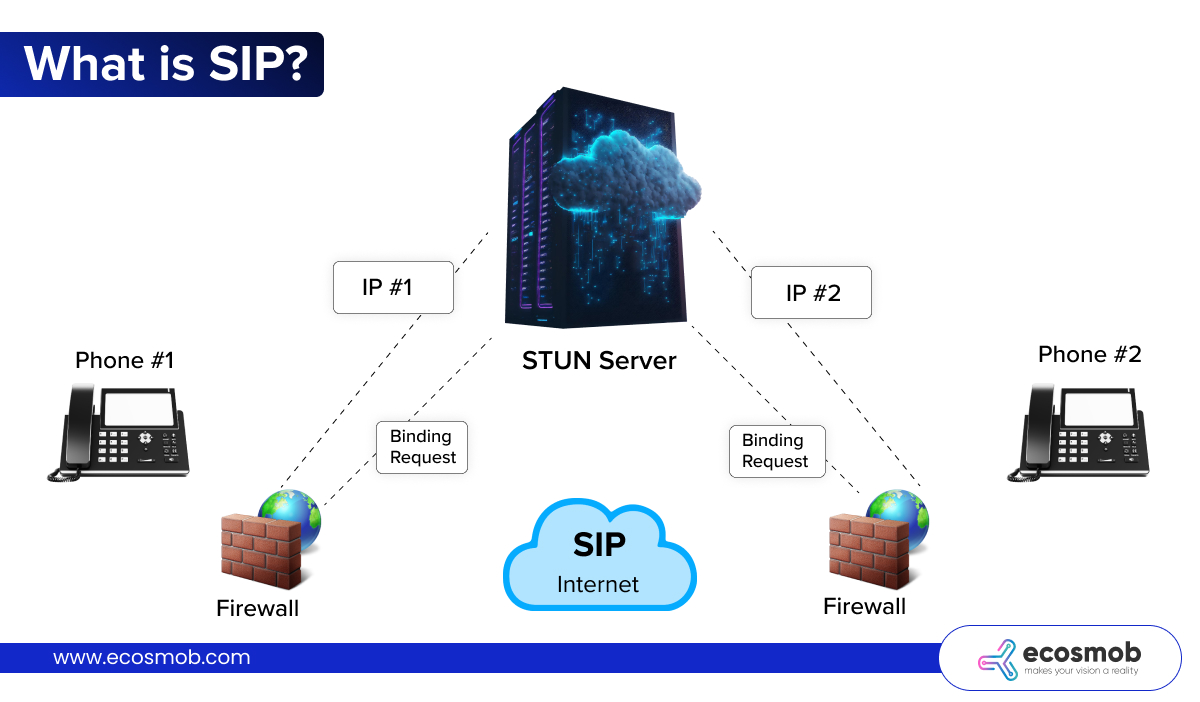
For example, a hacker could intercept your SIP messages to figure out when you’re making a call or even hijack the call to gain unauthorized access to your conversation. That’s why using SIP encryption is a must if you want to secure your VoIP system from these attacks.
So, how do we fix this? That’s where TLS (Transport Layer Security) comes in.
How TLS (Transport Layer Security) Encrypts SIP Traffic?
Enter TLS, the protocol that saves the day! Think of TLS as the high-tech security system you add to your SIP setup. It encrypts the signaling messages (the setup and tear-down of calls) to ensure they can’t be tampered with or intercepted by malicious actors.
Why is this so crucial? Here are a few reasons why TLS encryption is a game-changer for VoIP:
- Stops Eavesdroppers – Without TLS, anyone with the right tools could snoop on your SIP messages. TLS ensures that the data between you and your destination is encrypted, so hackers can’t easily decipher your communication.
- Prevents Call Hijacking – Call hijacking is a real risk with unprotected SIP. This means an attacker could take over your call after it’s been set up. With SIP TLS encryption, you’re ensuring that no one can secretly join or manipulate your conversation.
- Secures Your Identity – Your SIP messages contain identifying information (like IP addresses, phone numbers, and caller IDs). With TLS, all of this data is encrypted, making it much harder for hackers to track or impersonate you.
In short, TLS ensures that your SIP communication is secure, which is especially important when dealing with sensitive business or personal data. Without it, VoIP encryption is incomplete, and your calls are at risk.
How does SRTP protect voice data in VoIP calls?
SRTP (Secure Real-Time Transport Protocol) encrypts the audio payload of each RTP packet using AES encryption, authenticates packets to prevent tampering, and protects against replay attacks. Even if a hacker intercepts the media stream, they cannot reconstruct the conversation without the encryption key exchanged during the SIP/TLS handshake.
While TLS secures the setup and signaling process of your VoIP call, SRTP steps in to protect the actual voice data. After all, the real reason you’re using VoIP is to talk to someone, right?
You want your voice to remain private, and SRTP makes sure it stays that way.
Think of SRTP as the encryption protocol for the conversation itself. Without it, the audio packets (the data that makes up your conversation) could easily be intercepted by a hacker. And if that happens, your private conversation could be played back, analyzed, or even altered.
Here’s how SRTP locks down your voice data:
- Encrypts Voice Data – SRTP ensures that no one can eavesdrop on your call by encrypting the audio. This way, even if someone intercepts the data, it’s just a jumbled mess – no one will be able to hear your conversation.
- Authenticates the Speakers – SRTP doesn’t just encrypt the voice data; it also checks that the person on the other end of the line is who they say they are. This prevents “man-in-the-middle” attacks, where hackers impersonate someone to steal information or manipulate the conversation.
- Protects Against Tampering – Imagine having an important call where someone subtly changes your words – scary, right?
SRTP ensures the integrity of your conversation by preventing tampering. If someone tries to alter the voice data in transit, SRTP catches it and blocks any unauthorized changes.
In essence, SRTP provides the layer of security needed to protect the voice data of your calls. It’s like a lock on the door to your conversation, preventing unwanted guests from listening in or interfering.
How do SIP, TLS, and SRTP Work Together?
When combined, SIP, TLS, and SRTP provide comprehensive protection for your VoIP calls. Here’s how they work in harmony:
- SIP sets up the call, establishes the parameters, and ensures both parties are ready to talk.
- TLS secures the SIP signaling, encrypting the call setup information to ensure no one can intercept or manipulate it.
- SRTP protects the actual voice conversation, making sure that the audio data is encrypted and secure from eavesdropping, tampering, or interception.
Together, these three protocols make sure your VoIP calls are encrypted from start to finish, ensuring that both your setup and conversation stay private and secure.
Does HIPAA Require VoIP Encryption?
HIPAA does not explicitly mandate VoIP encryption protocols, but the Security Rule requires “reasonable and appropriate” safeguards for electronic protected health information (ePHI). In practice, this means healthcare providers using VoIP must implement TLS for signaling and SRTP for media, or face potential HIPAA violations and penalties under the HITECH Act.
If you’re working in the healthcare industry, you’ve likely heard of HIPAA (Health Insurance Portability and Accountability Act). HIPAA is all about protecting sensitive patient information.
So, does HIPAA require VoIP encryption?
While HIPAA doesn’t explicitly require VoIP encryption protocols like SIP, TLS, or SRTP, it does mandate that all communications containing protected health information (PHI) be secure. This means you must take extra steps to ensure the confidentiality of patient data during electronic communication.
Using an encrypted VoIP service that includes SIP, TLS, and SRTP ensures that your calls are protected and compliant with HIPAA regulations.
So, if you’re in healthcare, make sure you’re using a VoIP encryption protocol that meets both your privacy and regulatory needs.
Real-World VoIP Attack Scenarios You Need to Know About
Understanding VoIP encryption is one thing but seeing how attacks actually unfold in the real world is what makes the risk real. Let’s look at some common attack scenarios that businesses face every single day.
Scenario 1: The Silent Call Center Breach
A mid-sized call center was handling thousands of customer calls daily. Everything seemed fine until they noticed strange patterns in their billing reports. Hackers had been silently intercepting calls for months, stealing credit card details shared during customer support interactions.
The root cause? Their SIP signaling was unencrypted, and their Session Border Controller wasn’t properly configured to inspect incoming traffic. Modern session border controllers act as the first line of defense, filtering malicious traffic before it reaches your VoIP network.
Scenario 2: The VoIP Service Outage That Cost Millions
Imagine running a global customer service operation and suddenly all calls drop. That’s exactly what happened when attackers launched a massive flood of fake SIP traffic against a business’s VoIP infrastructure.
This kind of attack, known as a VoIP DDoS attack, doesn’t just cause downtime it destroys customer trust. Without proper encryption, rate-limiting, and SBC protection, these attacks can bring entire operations to their knees.
Scenario 3: The TDoS Attack Nobody Saw Coming
Telephony Denial of Service (TDoS) attacks specifically target phone systems, flooding them with automated calls to block legitimate communication. Healthcare providers, emergency services, and financial institutions have all been victims. Learn how TDoS attacks work and what you can do to protect your organization.
The lesson? Encryption alone isn’t enough. You need a layered security approach
How VoIP Encryption Fits Into Your Overall Business Communication Security
Securing VoIP calls is just one piece of the larger business communication puzzle. Today’s enterprises juggle voice, video, messaging, and collaboration tools and every one of them needs protection.
Securing the Entire Communication Stack
Modern businesses don’t rely on just phone calls anymore. They use unified communication platforms that blend voice, video, chat, and file sharing. If your VoIP is encrypted but your video conferencing isn’t, you’re still vulnerable. A holistic approach to enterprise communication security ensures every channel is protected end-to-end.
Why SIP Trunking Security Matters
Many businesses use SIP trunking to connect their phone systems to the public network. Without proper encryption, SIP trunks become a huge attack surface. If you’re considering this route, understanding what SIP trunking is and how to secure it should be your first step before deployment.
Healthcare: Where Security Isn’t Optional
Hospitals, clinics, and telehealth platforms can’t afford a single breach. Patient data is legally protected, and HIPAA violations can cost millions. For healthcare organizations, deploying a session border controller with HIPAA compliance ensures every call carrying patient information is encrypted, authenticated, and logged appropriately.
Beyond Encryption: Building a Fortress Around Your VoIP Network
Encryption is powerful, but it’s not the only defense you need. Think of it as the lock on your front door strong, but useless if the windows are open. Here’s how to build a complete security fortress around your VoIP network.
Protect Against Brute-Force Attacks
Hackers constantly try to guess SIP credentials using automated tools. Without protection, your VoIP system can be compromised in minutes. Tools like Fail2Ban can automatically block suspicious IPs after repeated failed login attempts. Learn how to implement network security with Fail2Ban on Asterisk to shut down these attacks before they succeed.
Master NAT Traversal and Network Hardening
Many VoIP security issues come from poorly configured networks, not weak encryption. NAT traversal problems can expose your system to unauthorized access or cause call failures that attackers exploit. Understanding VoIP network issues with SBC and NAT traversal helps you close these hidden gaps in your infrastructure.
Layer Your Defenses: Encryption + SBC + Firewall + Monitoring
The strongest VoIP security setups combine:
- SIP over TLS for encrypted signaling
- SRTP for encrypted voice data
- Session Border Controllers for traffic filtering
- Firewalls for network-level protection
- Real-time monitoring for threat detection
When all five layers work together, your VoIP network becomes extremely difficult to attack and that’s exactly what modern businesses need.
Choosing the Right VoIP Encryption Solution
If you take security seriously, consider an open-source encrypted VoIP solution. Open-source options give businesses full control over encryption settings, allowing them to tailor security measures to their needs. A provider that offers strong VoIP encryption methods ensures you’re not leaving any back doors open for hackers.
When choosing an encrypted VoIP service, look for:
- End-to-end encryption – Ensures that no one, not even the service provider, can access your calls.
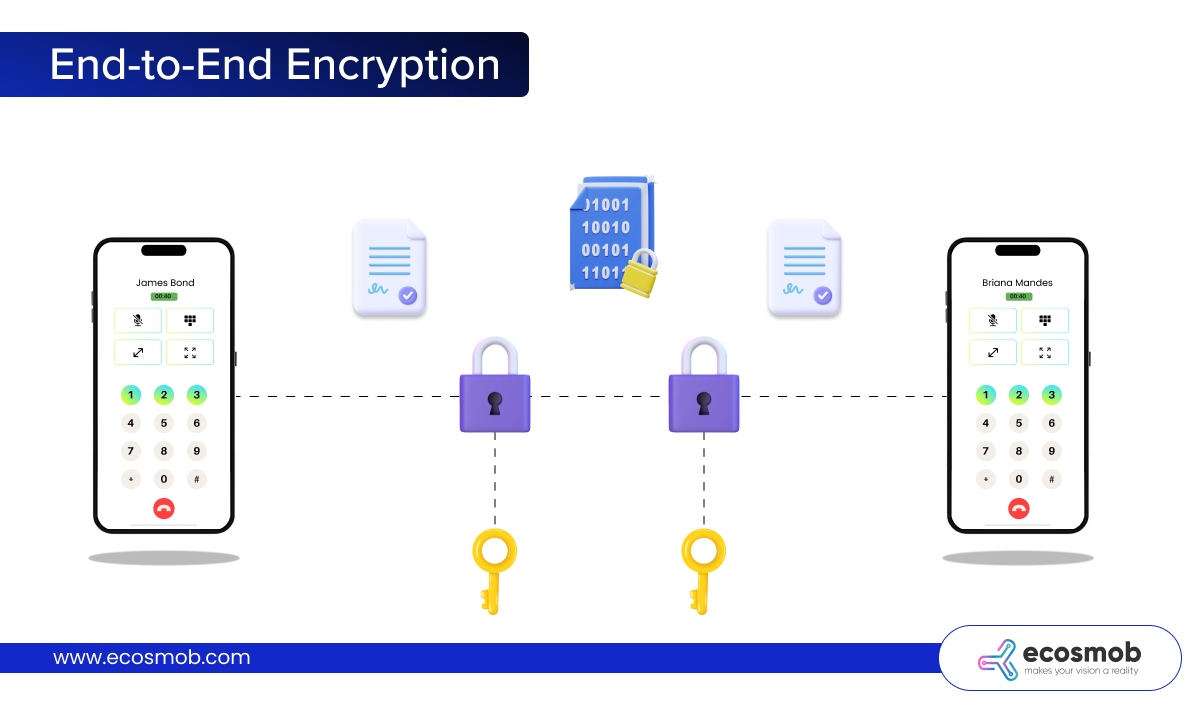
- TLS and SRTP support – These protocols should be standard for securing both call setup and voice data.
- HIPAA or compliance-ready solutions – If you handle sensitive data, make sure your provider meets regulatory standards.
- Regular security updates – Cyber threats evolve, and your VoIP encryption should keep up.
- Multi-factor authentication (MFA) – An extra layer of security to prevent unauthorized access.
Ecosmob Technologies not only provides highly secure VoIP encryption protocols but also customizes security features according to business needs. Whether you require end-to-end encrypted VoIP for internal communication or a secure SIP trunking solution for customer interactions, Ecosmob ensures your conversations stay private and protected because, VoIP encryption isn’t just about privacy – it’s about protecting your business, your clients, and your reputation. Choose wisely!
Wrapping Up
So, is VoIP encrypted? The answer depends on whether you’ve taken the right security measures. If you’re still using an unencrypted VoIP service, your calls are vulnerable to interception, fraud, and cyberattacks. However, by implementing SIP with TLS and SRTP, you can keep your conversations private and secure.
To wrap things up –
- VoIP calls without encryption are an open invitation for hackers.
- SIP manages VoIP calls but needs extra security.
- TLS encrypts SIP traffic to protect call setup details.
- SRTP secures actual voice data to prevent eavesdropping.
- HIPAA compliance requires secure VoIP communication in healthcare.
So, are you still risking it with unprotected calls, or is it time to switch to a fully encrypted VoIP service?
Your privacy is worth it!
Frequently Asked Questions
VoIP encryption is the process of securing voice data as it travels over the internet, making it unreadable to unauthorized users. It uses VoIP encryption protocols like TLS and SRTP to prevent eavesdropping, hacking, and data tampering.
SIP (Session Initiation Protocol) is the technology that sets up, manages, and terminates VoIP calls. However, it wasn’t designed with security in mind, which is why SIP TLS encryption is needed to protect call setup details.
TLS (Transport Layer Security) encrypts SIP traffic, ensuring that hackers can’t see or manipulate call setup details. It prevents call hijacking and ensures that metadata remains private.
SRTP (Secure Real-Time Transport Protocol) encrypts the actual voice data in VoIP calls. Even if someone intercepts the call, SRTP ensures they can’t decipher the conversation.
While HIPAA doesn’t specifically demand VoIP encryption protocols, it does require healthcare providers to protect patient information in electronic communications. Using an encrypted VoIP phone with TLS and SRTP is highly recommended for compliance.
Modern AES-128 SRTP adds <5ms latency imperceptible to users.
ZRTP performs in-band key exchange without relying on PKI; SRTP typically relies on SDES keys transmitted via TLS.
No. SIPS is hop-by-hop; E2EE requires additional protocols like ZRTP.
The call either falls back to RTP (unencrypted) or fails, depending on SBC policy.
Use Wireshark to inspect SIP packets look for SIPS URIs and a=crypto lines in SDP.
Look for TLS 1.3 support, SRTP with AES-256, HIPAA compliance, and end-to-end options.